Each month, we invite visionaries, designers, and artists to share their ex libris, providing a diverse array of perspectives and inspirations from the creative community.
Guestlibris
Demande Spéciale
For July’s Guestlibris, this is going to be a big one. I’m so excited to invite Demande Spéciale to share their favorite books. This time, it’s a 3-in-1 Guestlibris featuring Maude Turgeon, Louis-Philippe Bélanger, and Émile Doyon.
Maude and I graduated together 10 years ago, and I’ve had the chance to watch both her and the studio grow beautifully over the years. She’s one of the funniest, most original, and deeply creative people I know, and I’ve always drawn so much inspiration from her work and the way she approaches design.
I met LP and Émile for the first time last week, and I immediately loved their enthusiasm and how easy they were to talk to.
During our lunch, I was really inspired by their approach and openness to experimentation. They’re full of unique ideas, and I can’t wait to share the books that have inspired their practice. We also talked about a possible collaboration, so maybe something will grow out of this creative exchange. Who knows.
How would you describe yourself in your creative practice?
Maude : I come from an art background and I think it shaped how I approach projects in general. For me, the way to get to the right solution is to play with it. Break it, stretch it, transform it. I usually start pretty messy and chaotic. That chaos is where surprises and accidents happen. I'm pretty analytical, but I also work a lot by feeling and intuition. I try to look at something for what it could become not what it is.
LP : I always want to have fun and experiment. I like to find creative uses for non-creative tools. I would describe my practice as the fine zone between digital and handmade.
Émile : In creations, I mainly try to find logical answers to problems I often reach those by the use of technologies and often try to rely on ideas that come from my mind instead of using references.
What is your relationship with books?
Maude : I have to be honest here, I'm not a big reader. I can't tell you the last time I actually read a book. BUT I LOVE THEM. My relationship with them is more about the object: the feel of it, the texture, the colors, the layout, how each decision makes those elements live together in a certain way. How it can contrast or complement. I have a lot of books, can't say I actually read them though.
LP : I love those random browsing moments at the library, away from screens. It's a visual break that feeds my creativity, letting me truly engage with images instead of just scrolling past them.
Émile : Love and hate, for long periods of times I stop reading and then, randomly I start reading again. On another note, I love the feel of hard covers and the object in itself.
How would you describe the place books/magazine hold in your life?
Maude : Pretty important. Those objects have so much personality, and they can vary so much from one another. I love the creativity of it, how people are able to transform them in so many ways. Combining types of paper together, special inks, embossing, playing with the shape or the function of it.
LP : I'm slowly rediscovering their value as a creative resource. I love their tangible aspect. There's something special about finding things that aren't online, almost like being a VIP!
Émile : Not a huge place I would say.
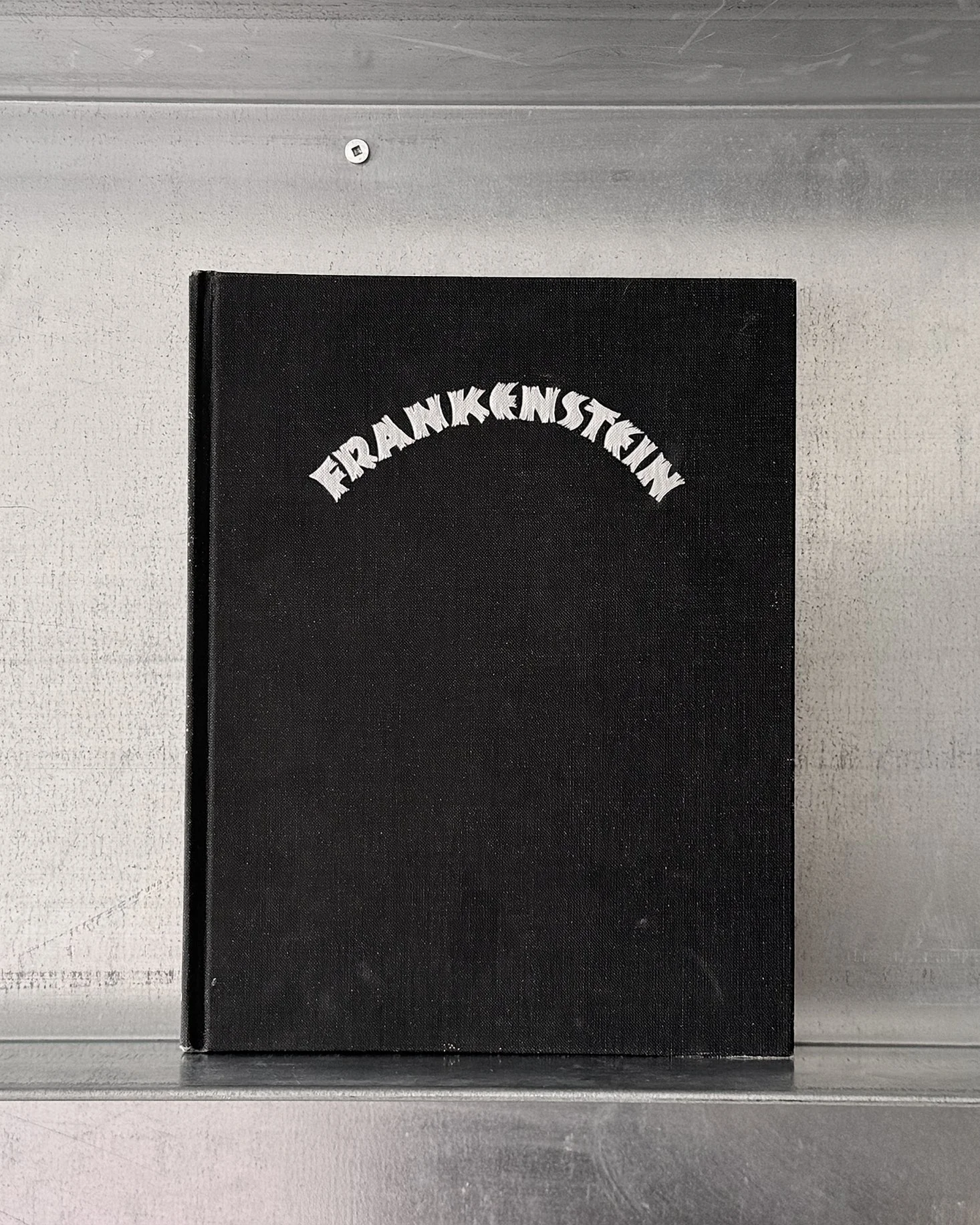
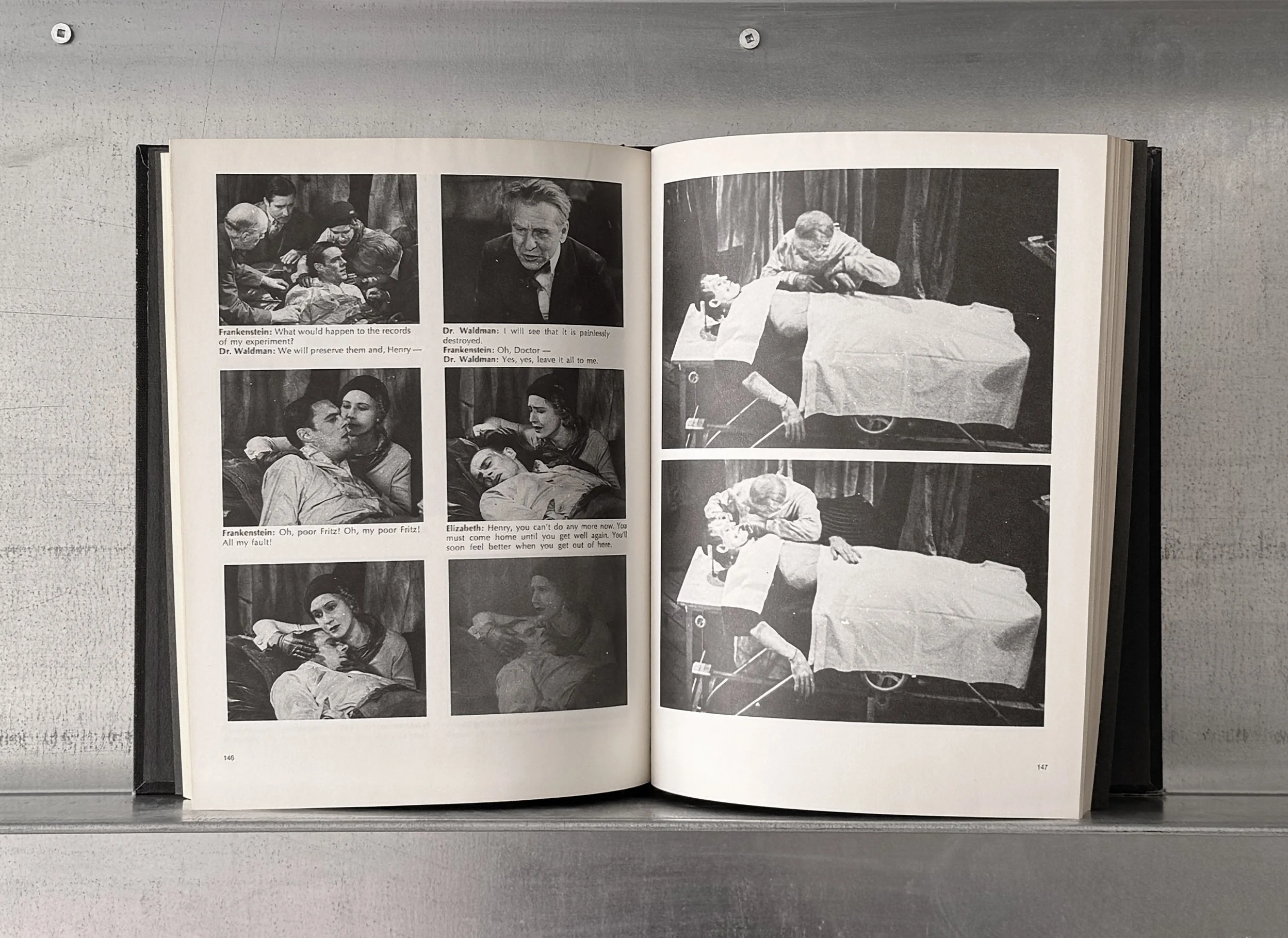
Maude : I can't really pinpoint a book that "got me into books." Since I don't really have an answer, here's just another book I like. I found it at a thrift store and it's the movie Frankenstein from 1931 layed out like a comic would be with images and texts. Frankenstein ; edited by Richard J. Anobile, published by Daren House, in 1974
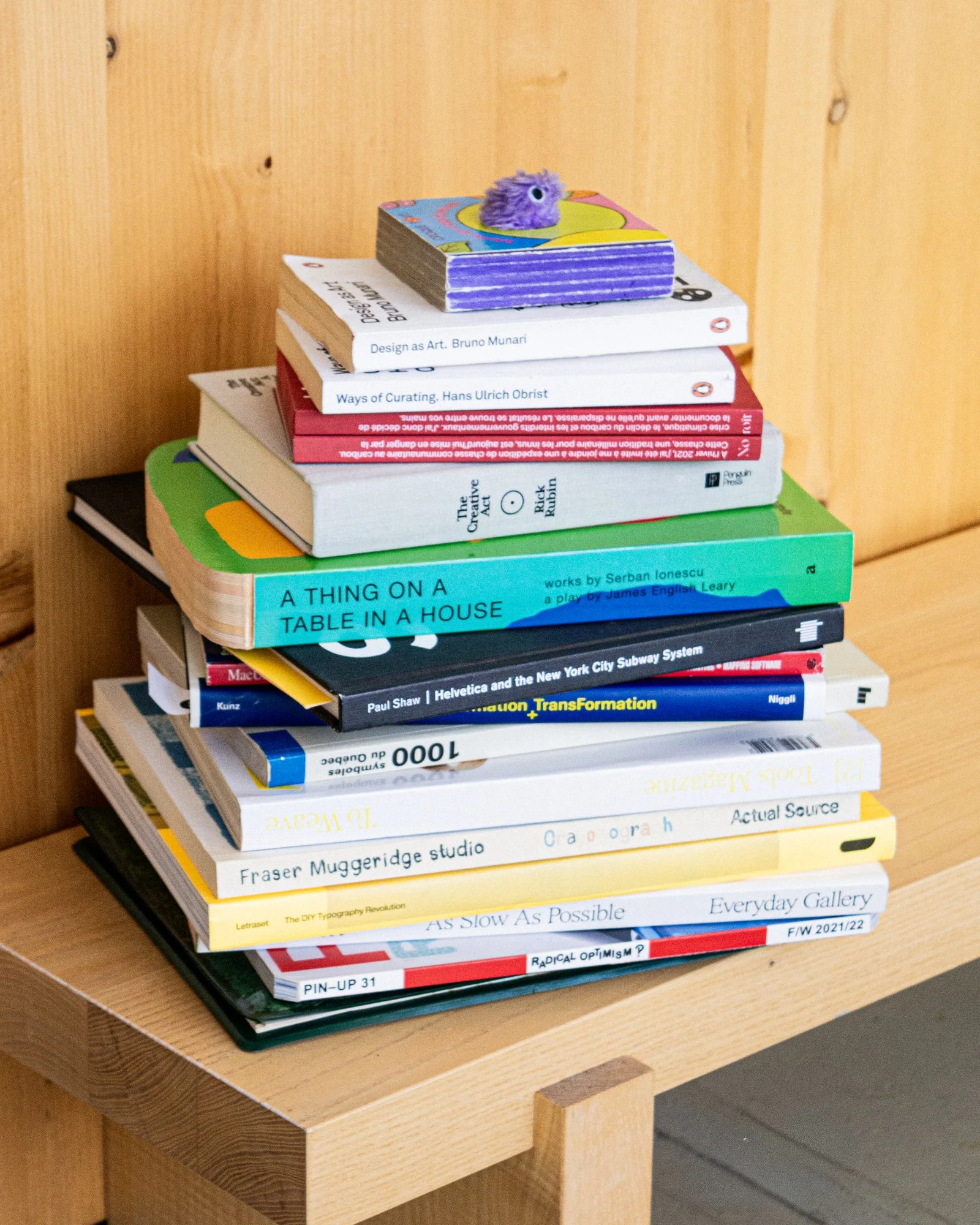
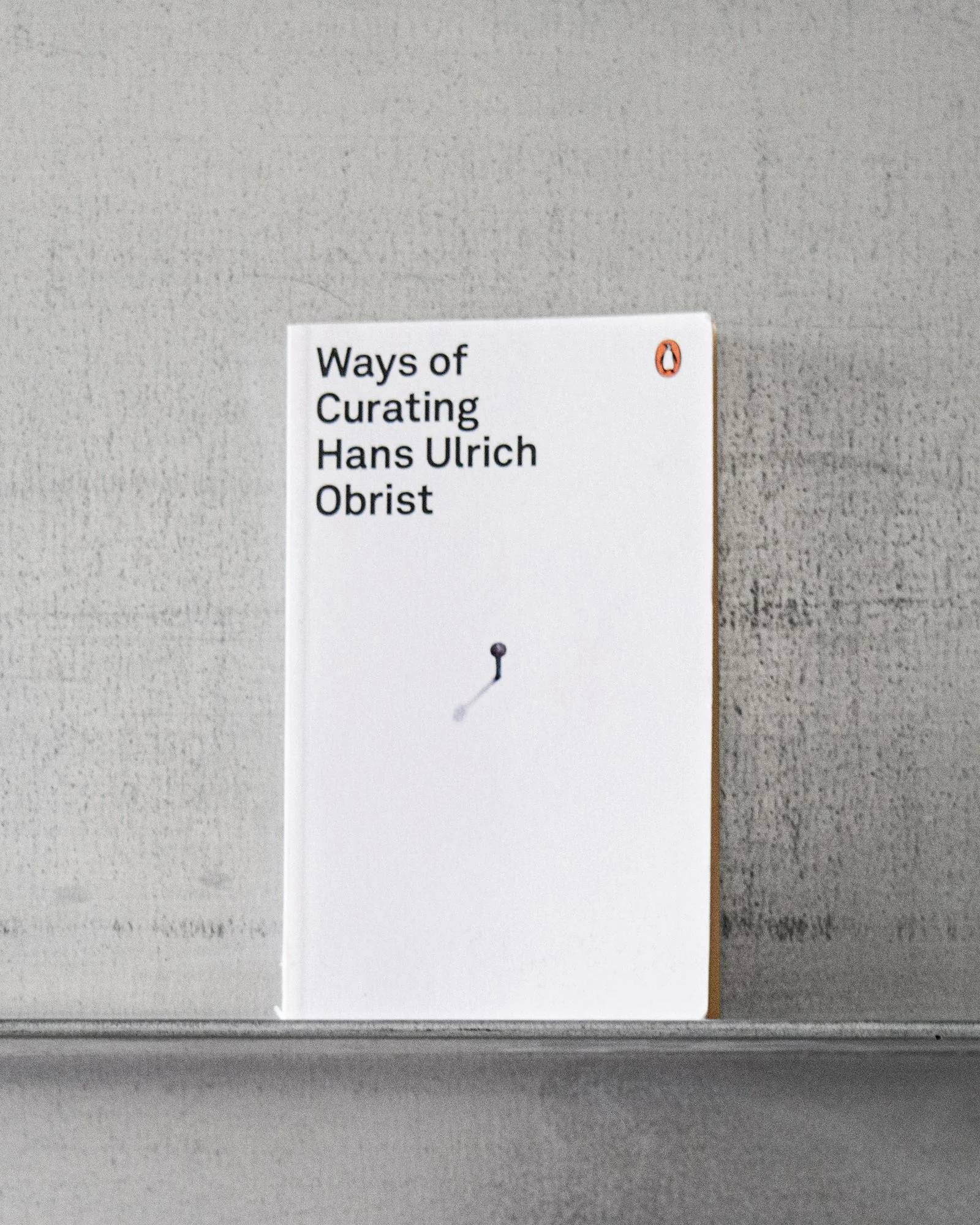
LP : «Ways of curating» by Hans Ulrich Obrist got me into art and design books. It explores curating as a form of art, and how it can create unexpected combinations.
Émile : If we're talking about when I was young, maybe like 'La jungle aux 100 périls'. If we're talking of the book as an object/in my design practice, kind of weird but maybe a mag I made myself Épisode - Loisir cause it made me understand the whole work behind making a book.
1. A book that got you into books.
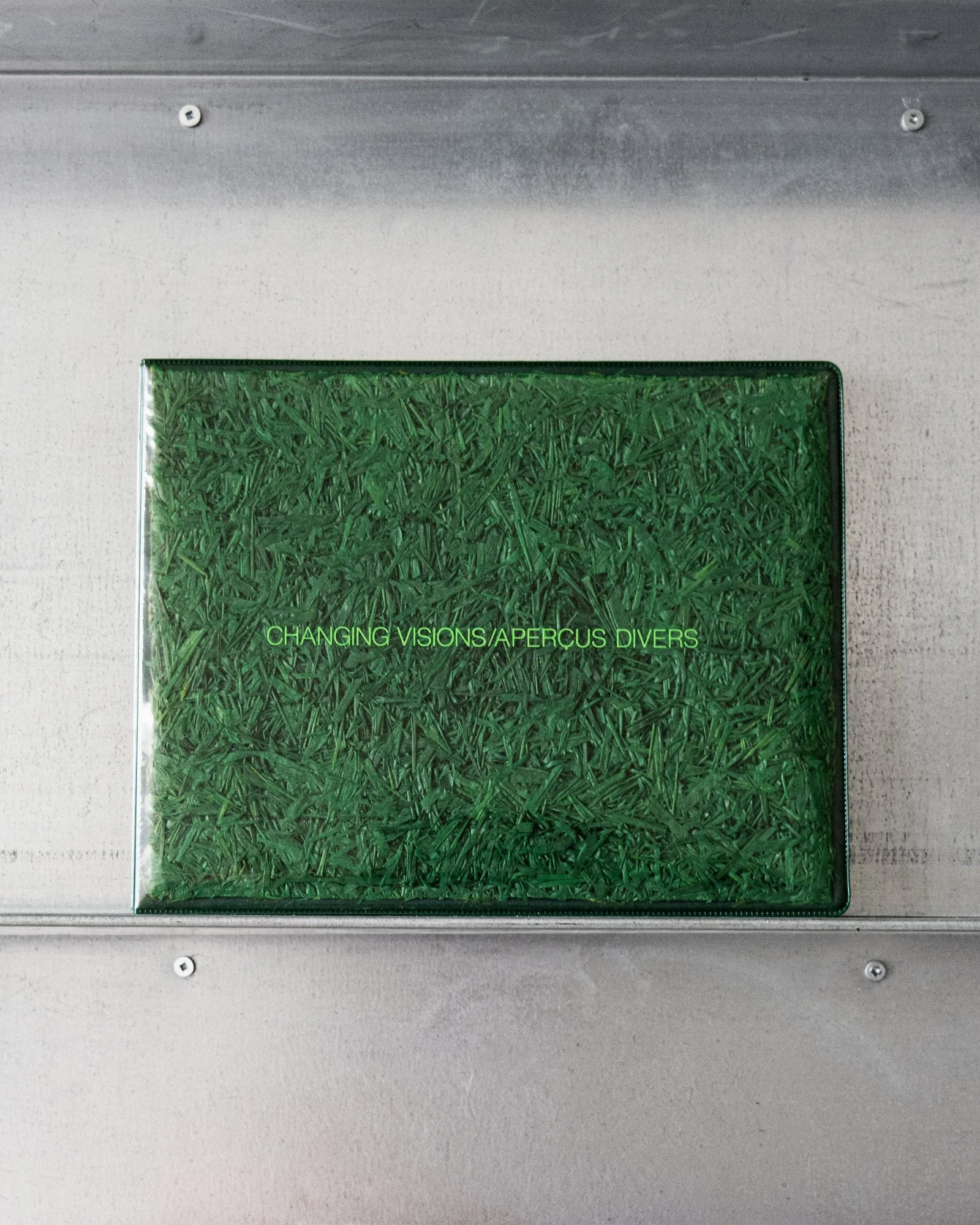
Maude : Changing Visions / Aperçus divers from 1976 by the Art Gallery of Ontario and Edmonton Art Gallery My latest find during the sale the instagram account Canada Modern did on instagram. It's still an old book though. But a new obsession. The cover is a see through sleeve filled with fake grass.
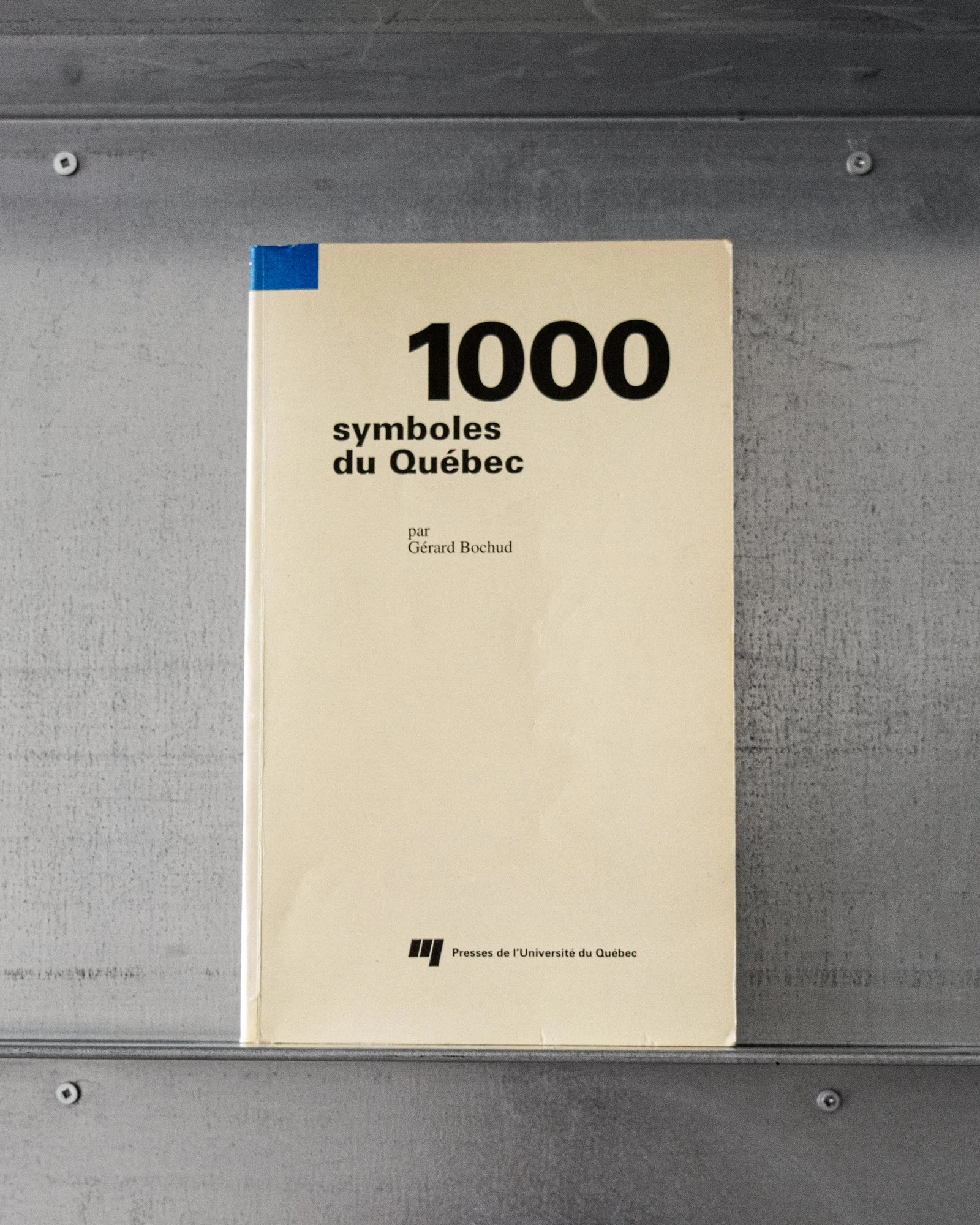
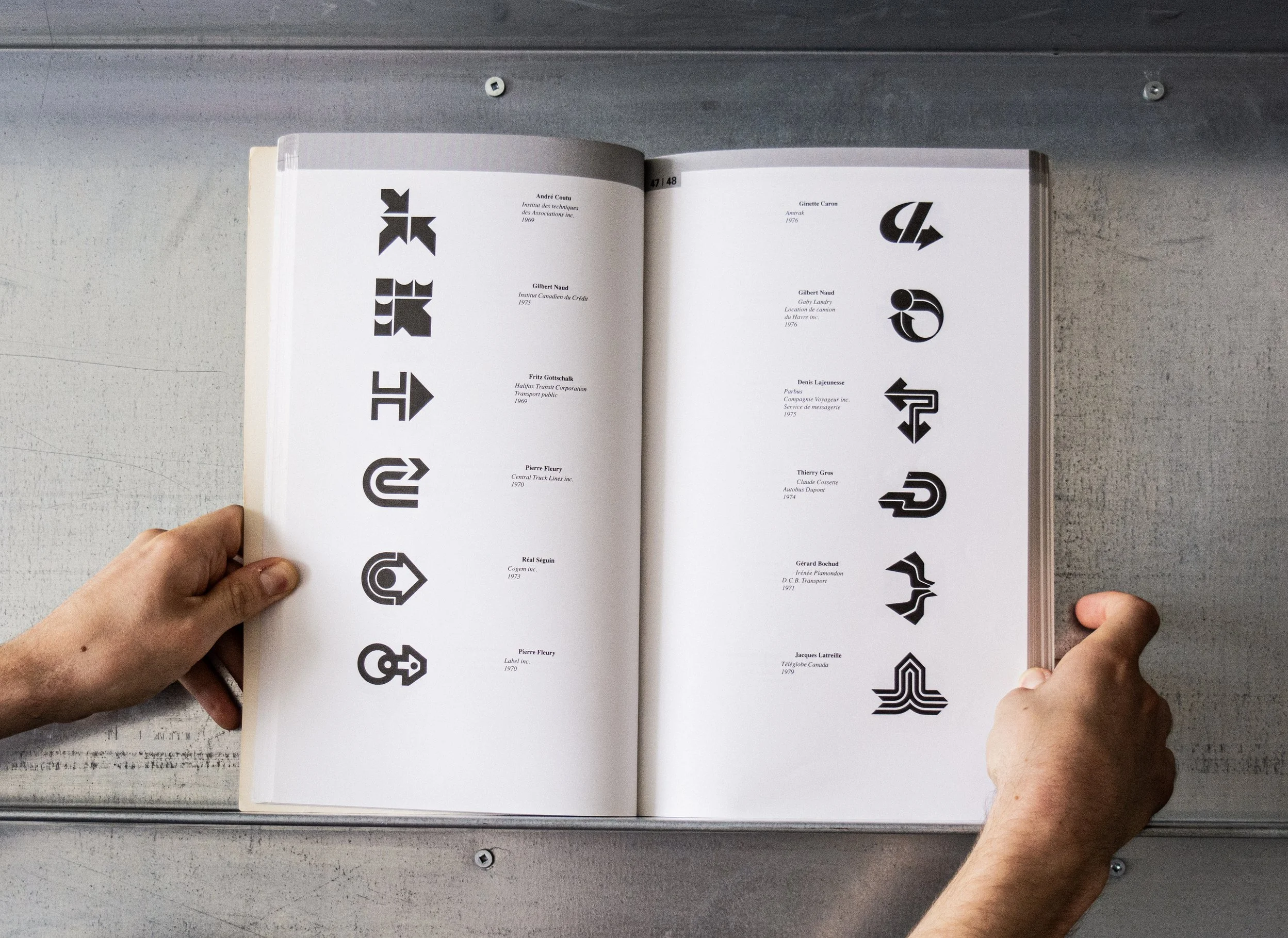
LP : "1001 Symboles du Québec." Such a huge documentation of the golden age of logo design in Quebec. I feel like a child smiling at the cleverness of each logos.
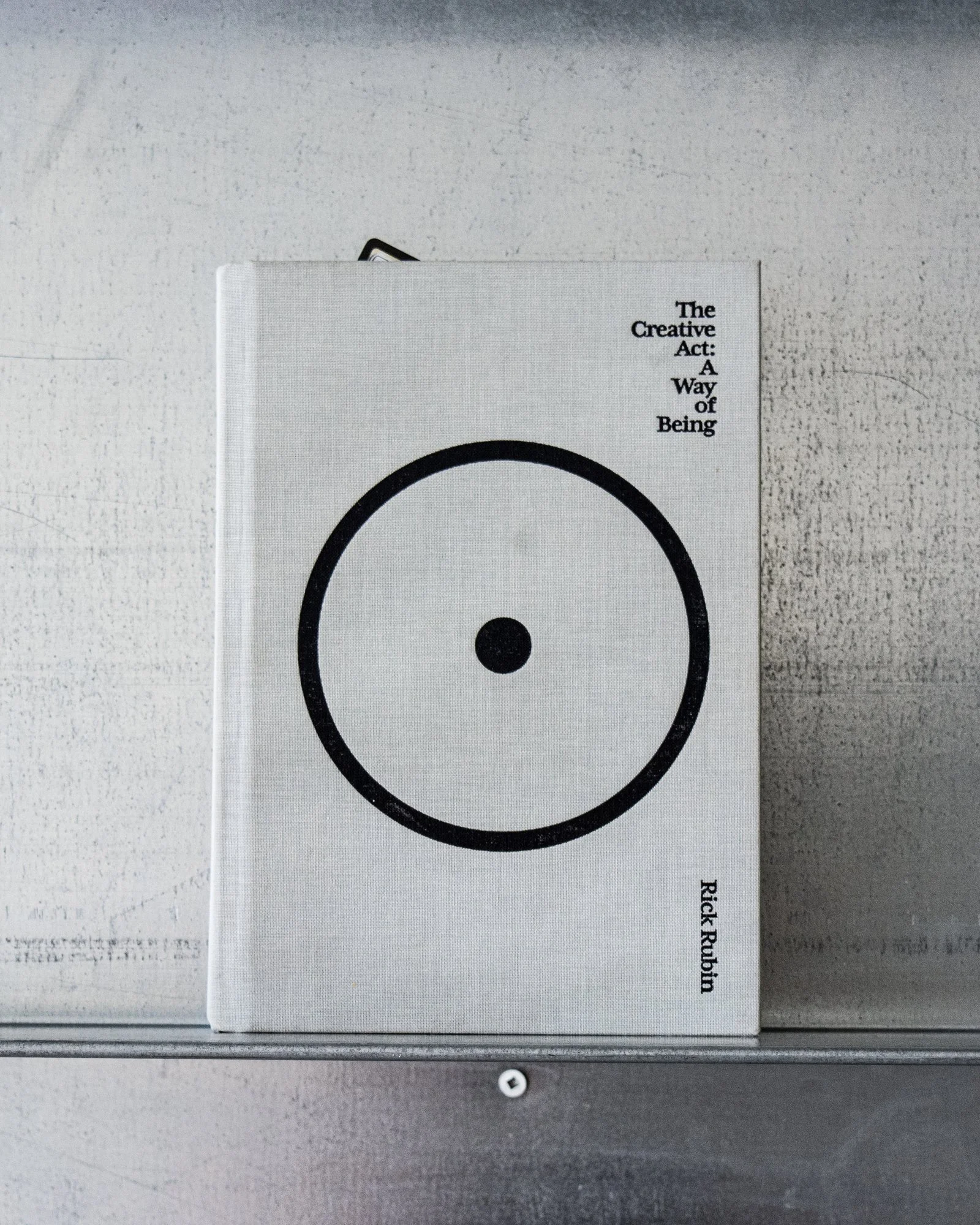
Émile : The Creative Act: A Way of Being
2. A book that you’re currently obsessed with (new)
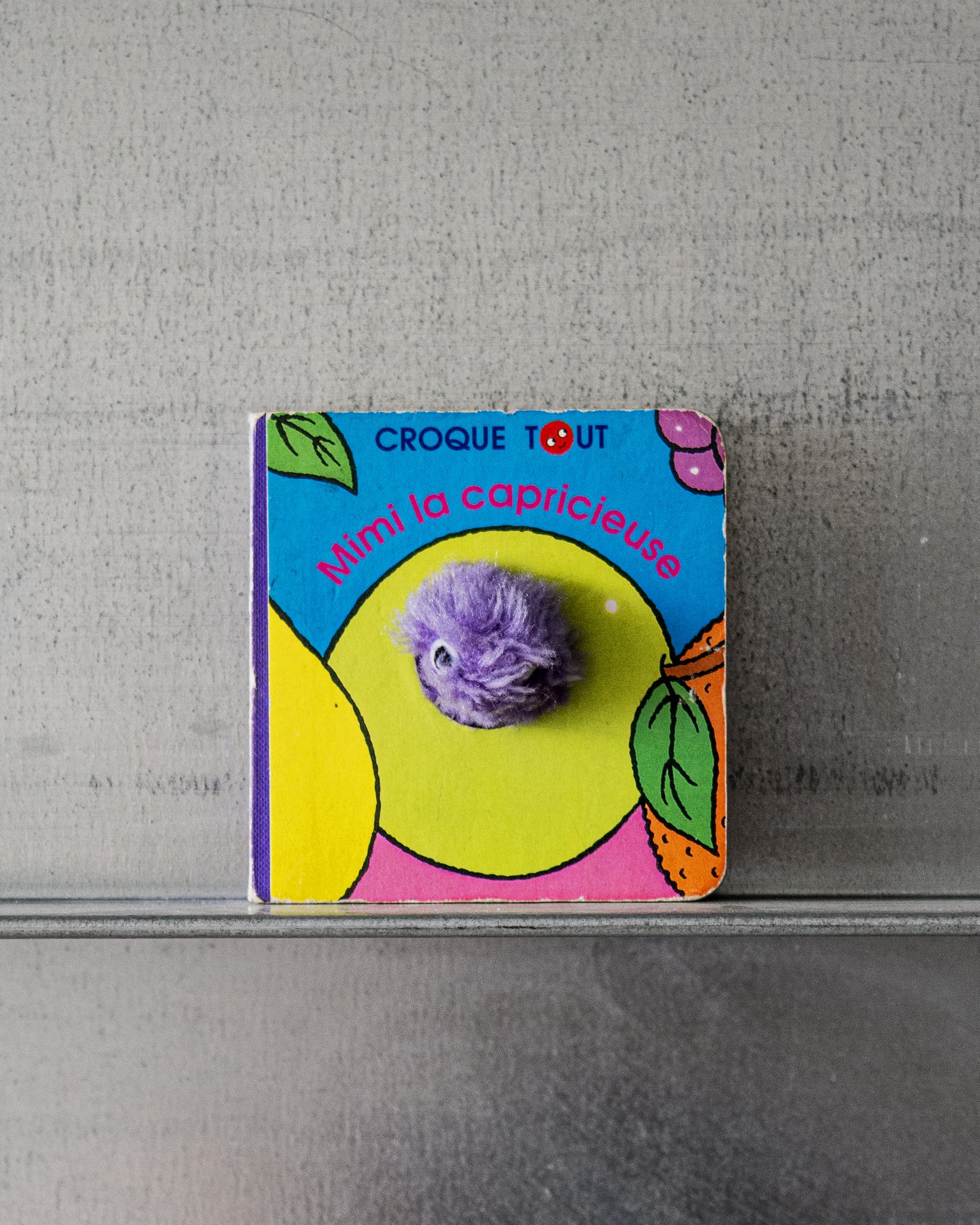
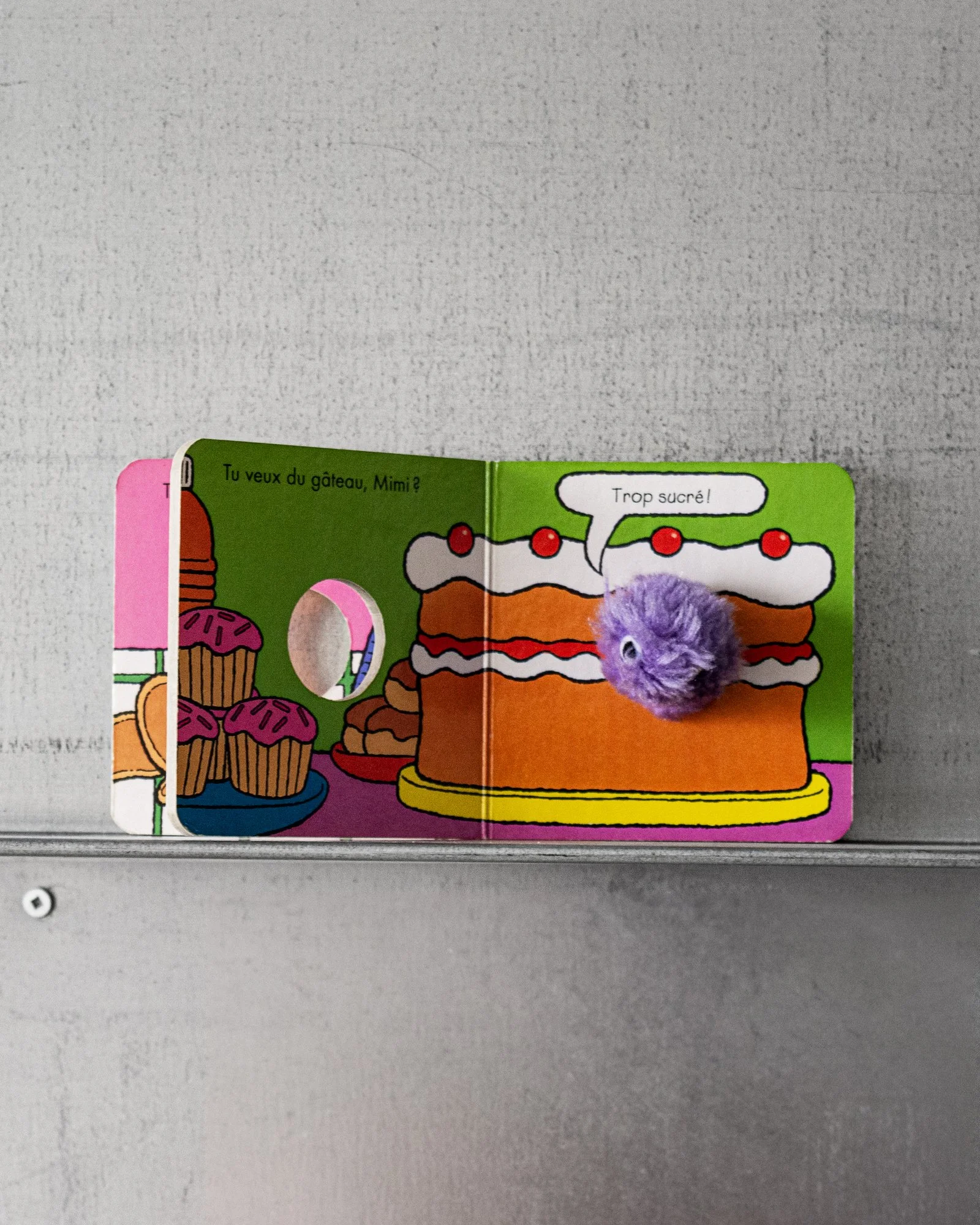
Maude : Mimi la capricieuse, 1996, Éditions Héritage Was a book I was really obsessed with as a child and the first one I thought about reading this question. Still love the colors, the format, the super super thick cardboard pages (child proof) and the purple puppet added obviously to the experience.
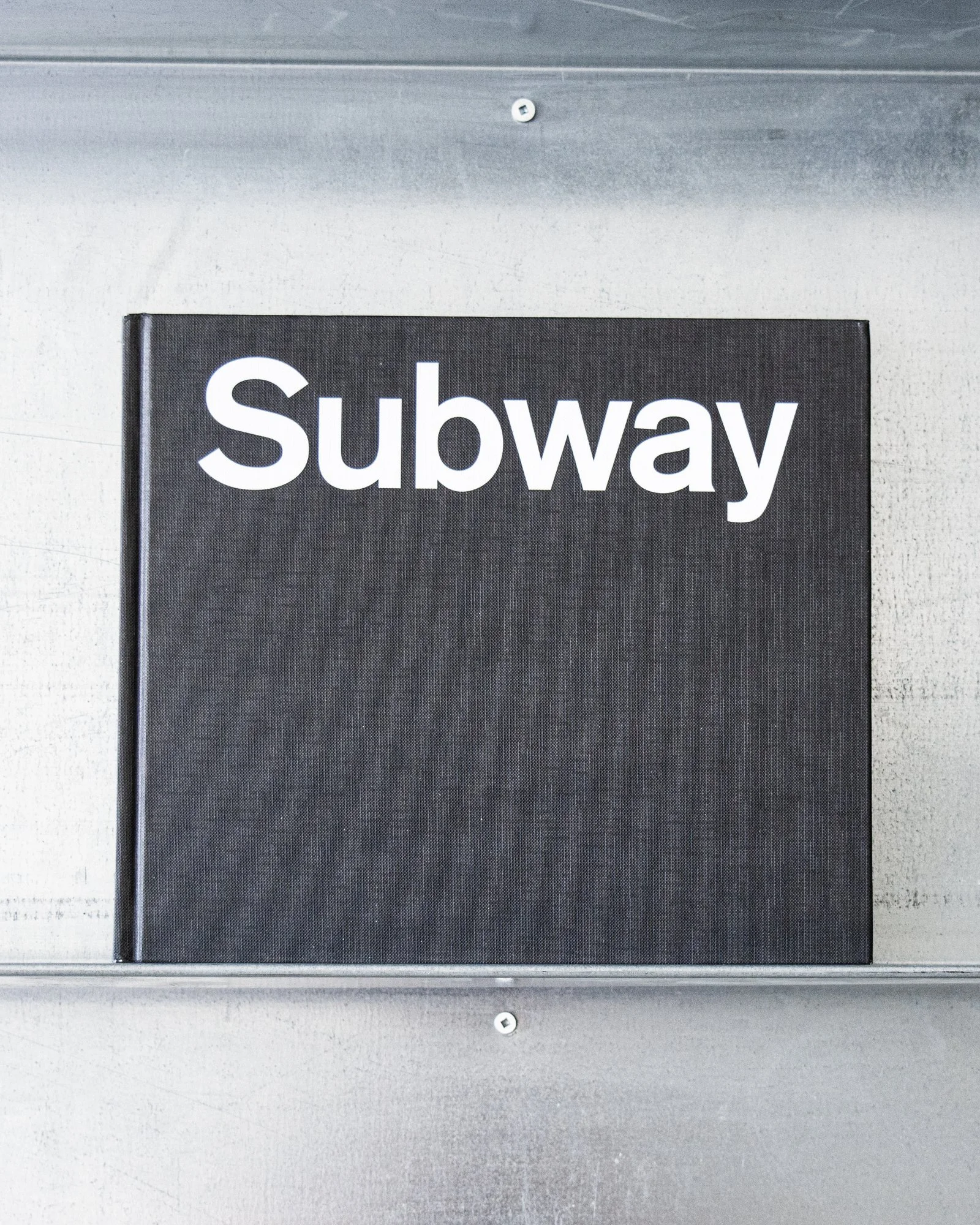
LP : Helvetica and the New York City Subway System, The MIT Press, 2011. Before the 1960s, the New York City subway signage was full of confusion, and the typography was inconsistent. Helvetica, although often misinterpreted as Akzidenz Grotesk, helped solve this problem.
Émile : Typography today (if it's old enough)
3. A book that you’re obsessed with (old).
4. A book that has the most unexpected design in your library.
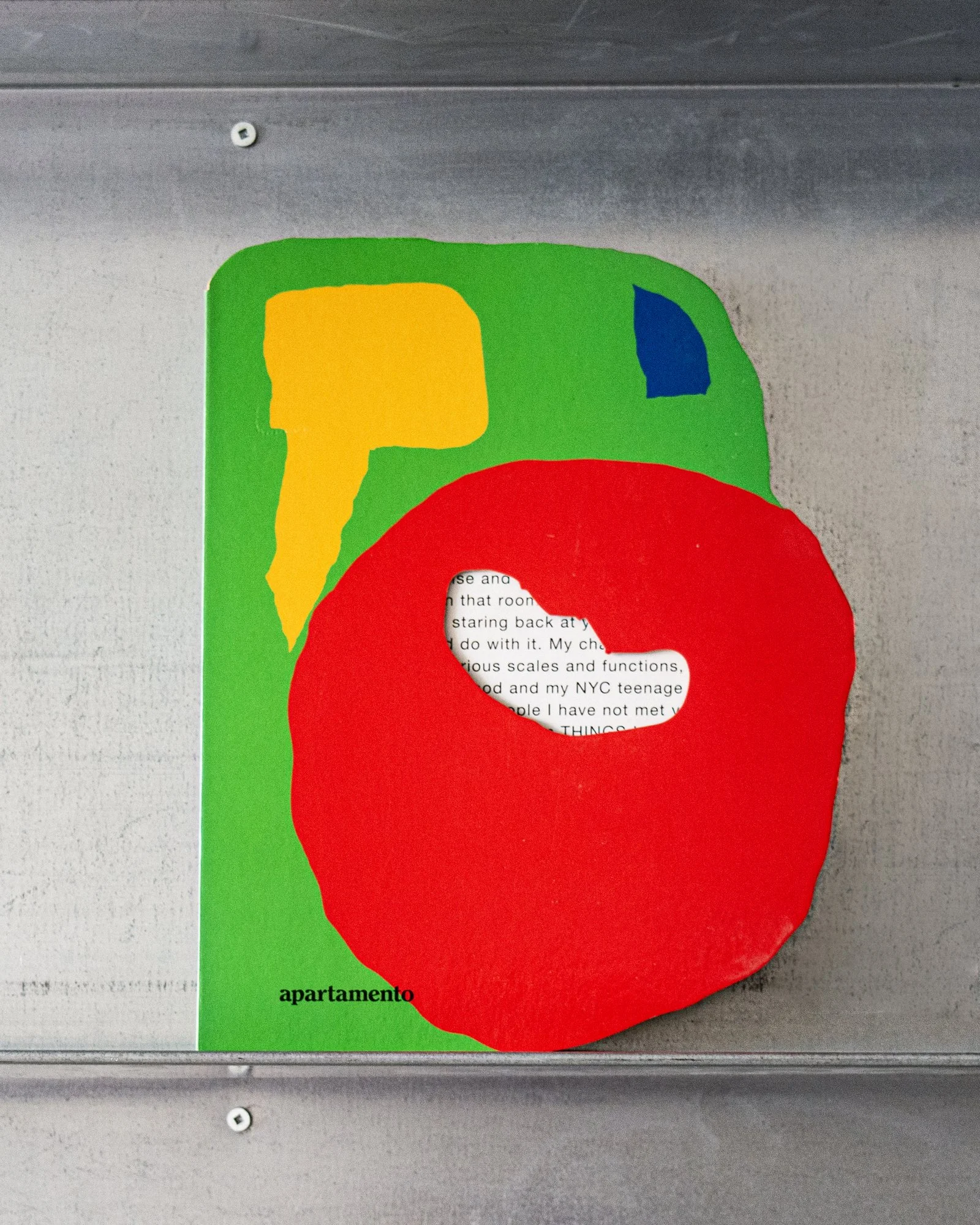
Maude : A thing on a table in a house by Serban Ionescu and James English Leary. (2021) An adult version of my childhood obsession (Mimi la capricieuse) but by Apartamento this time.
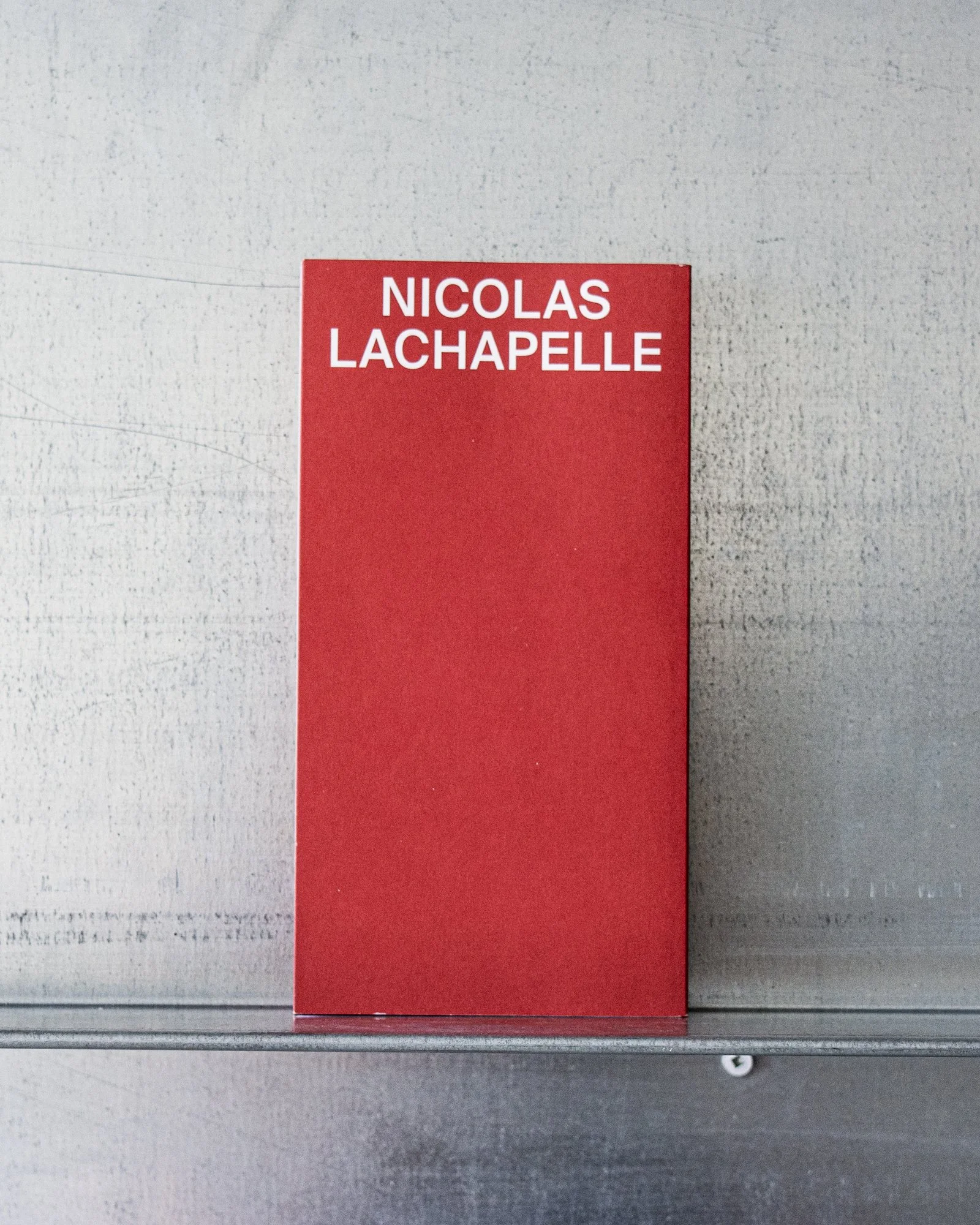
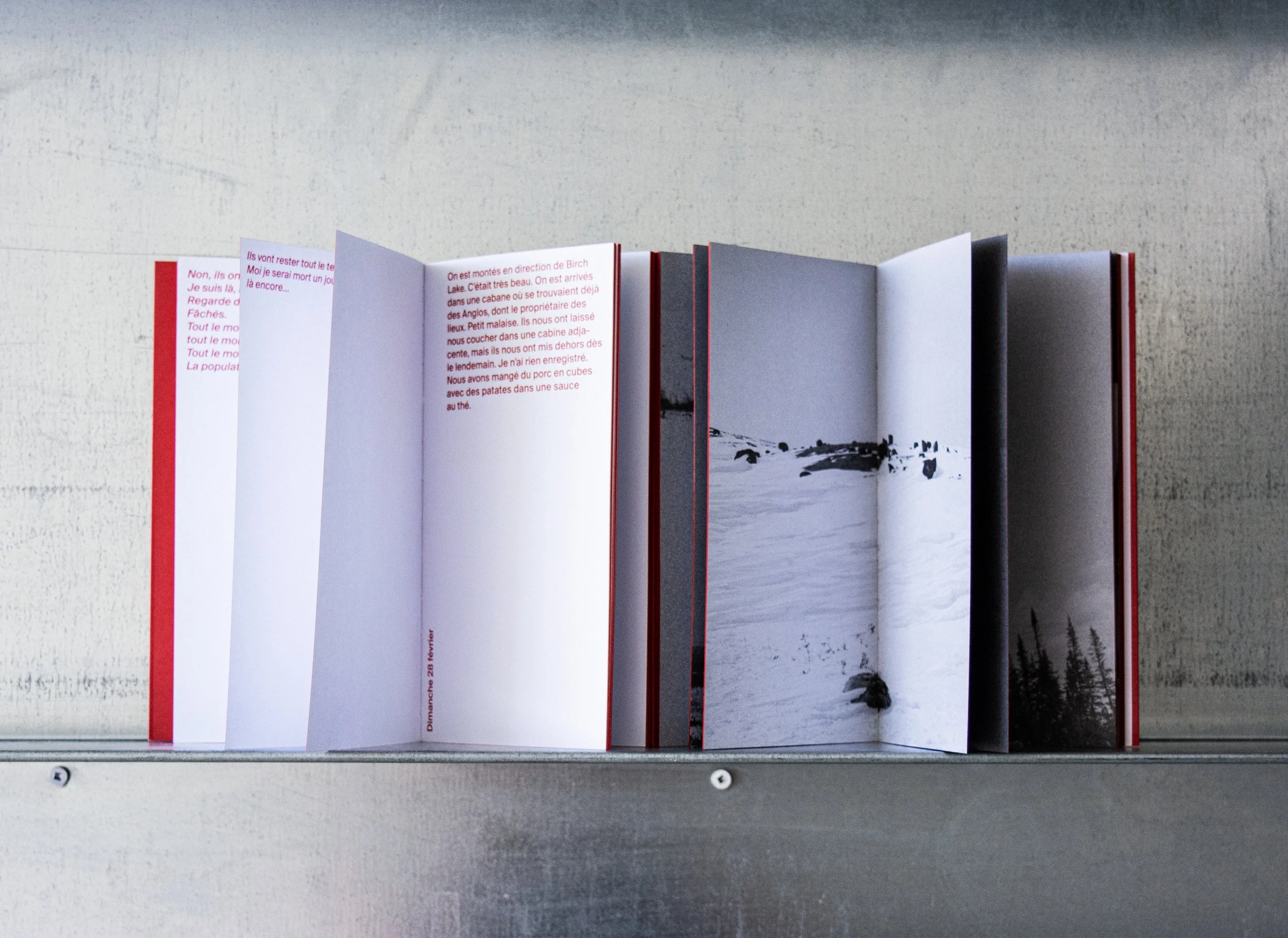
Émile : La chasse interdite - Nicolas Lachapelle
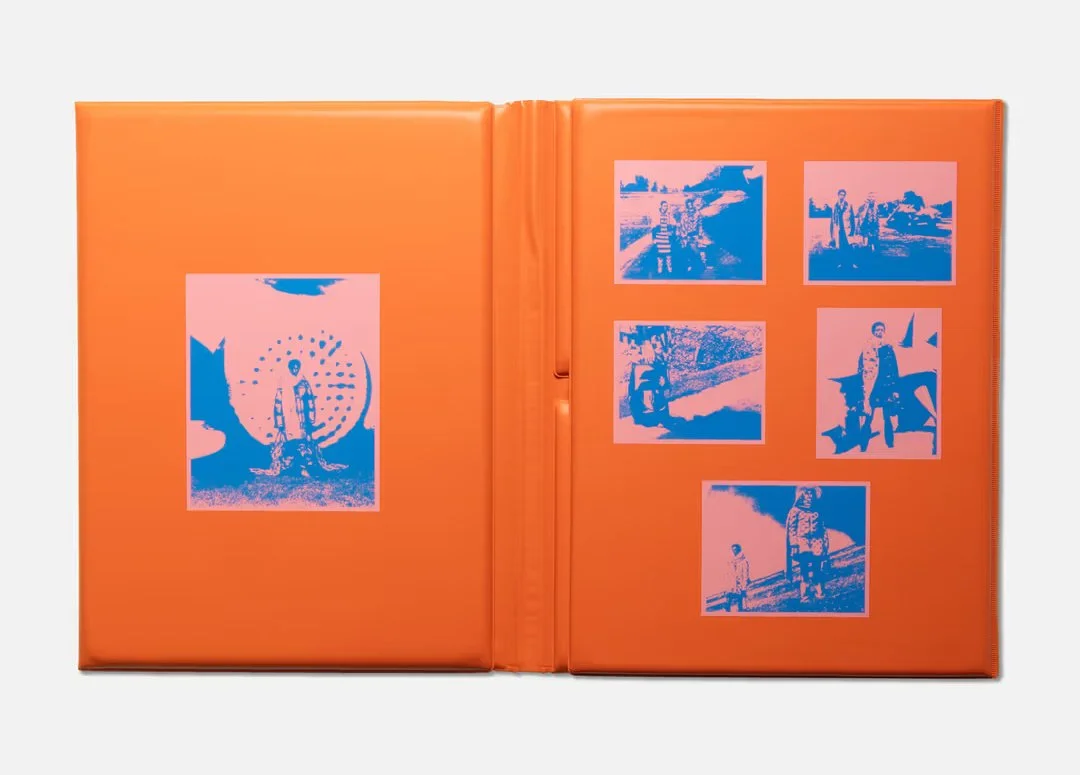
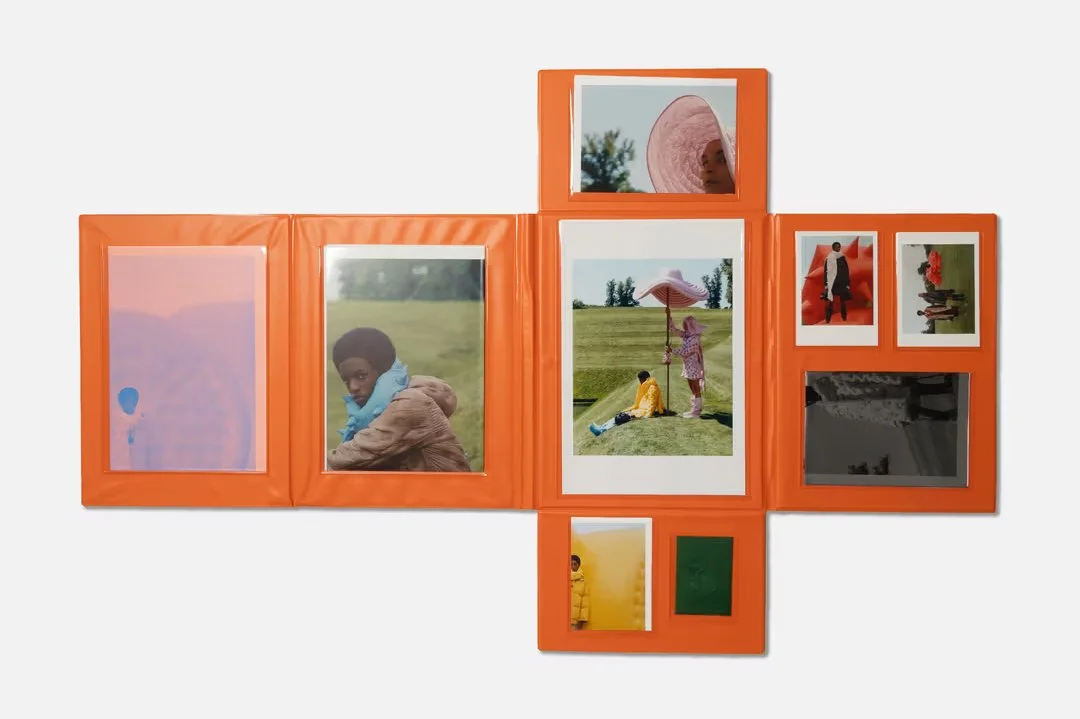
Maude : The Inflated Archive by OK-RM, for a collaboration between Moncler and JW Anderson with the photography of Tyler Mitchell. It's the first "book" that came to mind. Not really a book so much as an object, but I'm loving the materiality of it (I'm getting annoying with materiality, aren't I). (Also, not really a wish anymore, looking for pictures of it online I find one on resale !!!!)
LP : "30 Years of Swiss Typographic Discourse in the Typografische Monatsblätter." by Louise Paradis. I discovered it when she was my teacher at UQAM!
Émile : NV-066 by Nouvwerk or Royal chambers by Kiosk studio
5. A book that you wish you had?
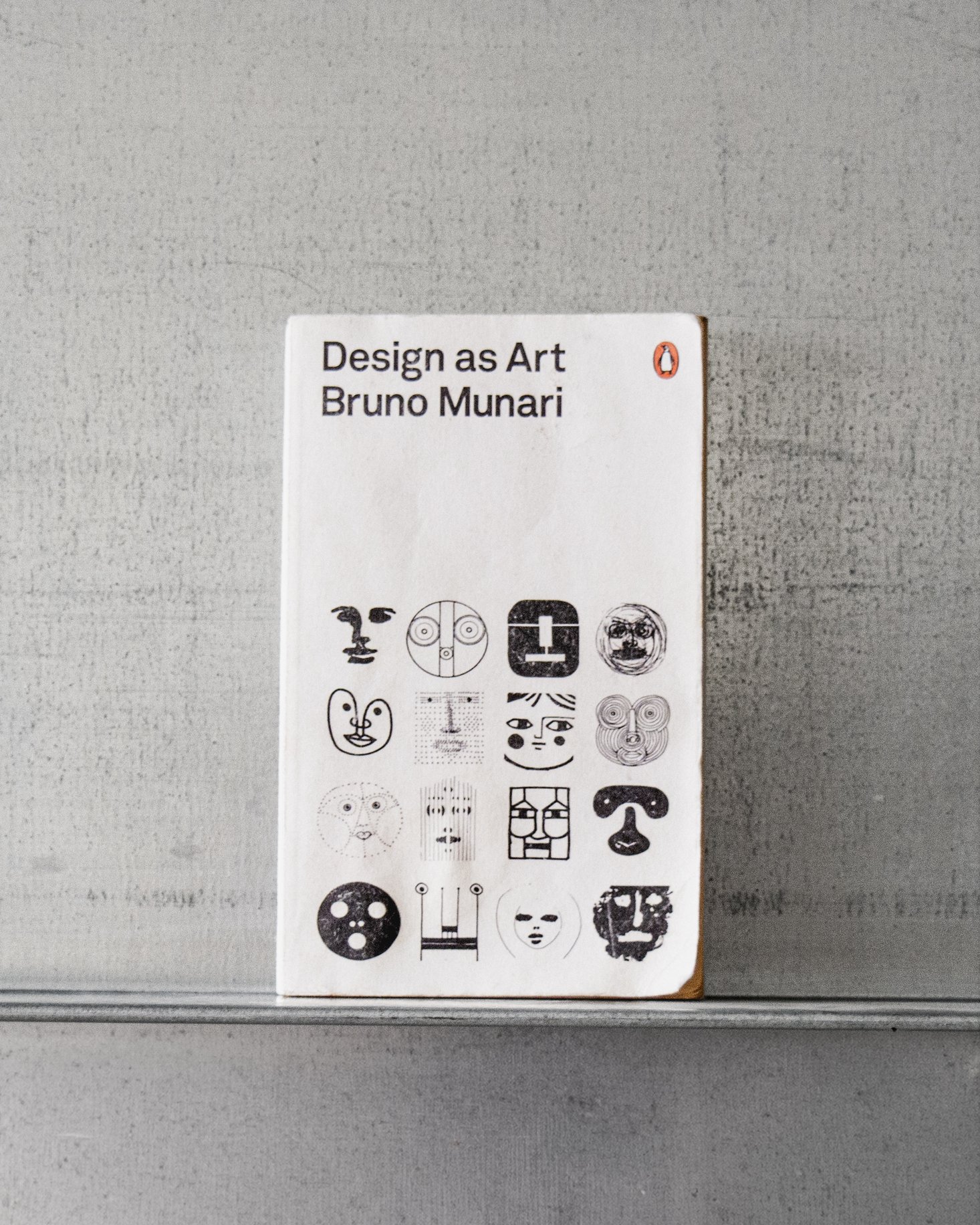
LP : Design as Art, Bruno Munari is a very visual book in the way it's written. Despite having only a few images, it blends design and art seamlessly, and always reminds me why i love creating.
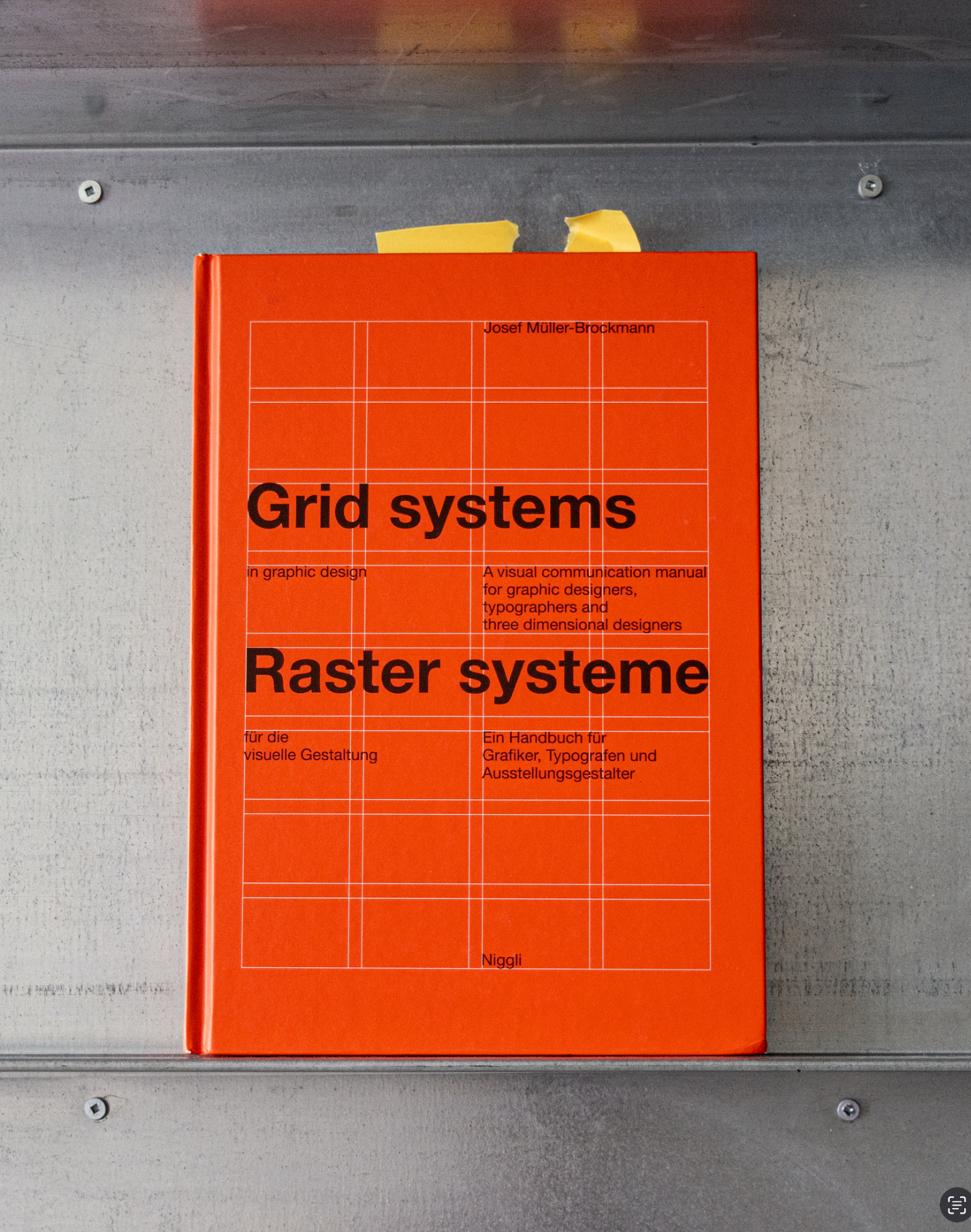
Émile : Probably Grid systems - Raster systems, because it taught me the basics and is always in the back of my mind.
6. A book that you constantly draw inspiration from.
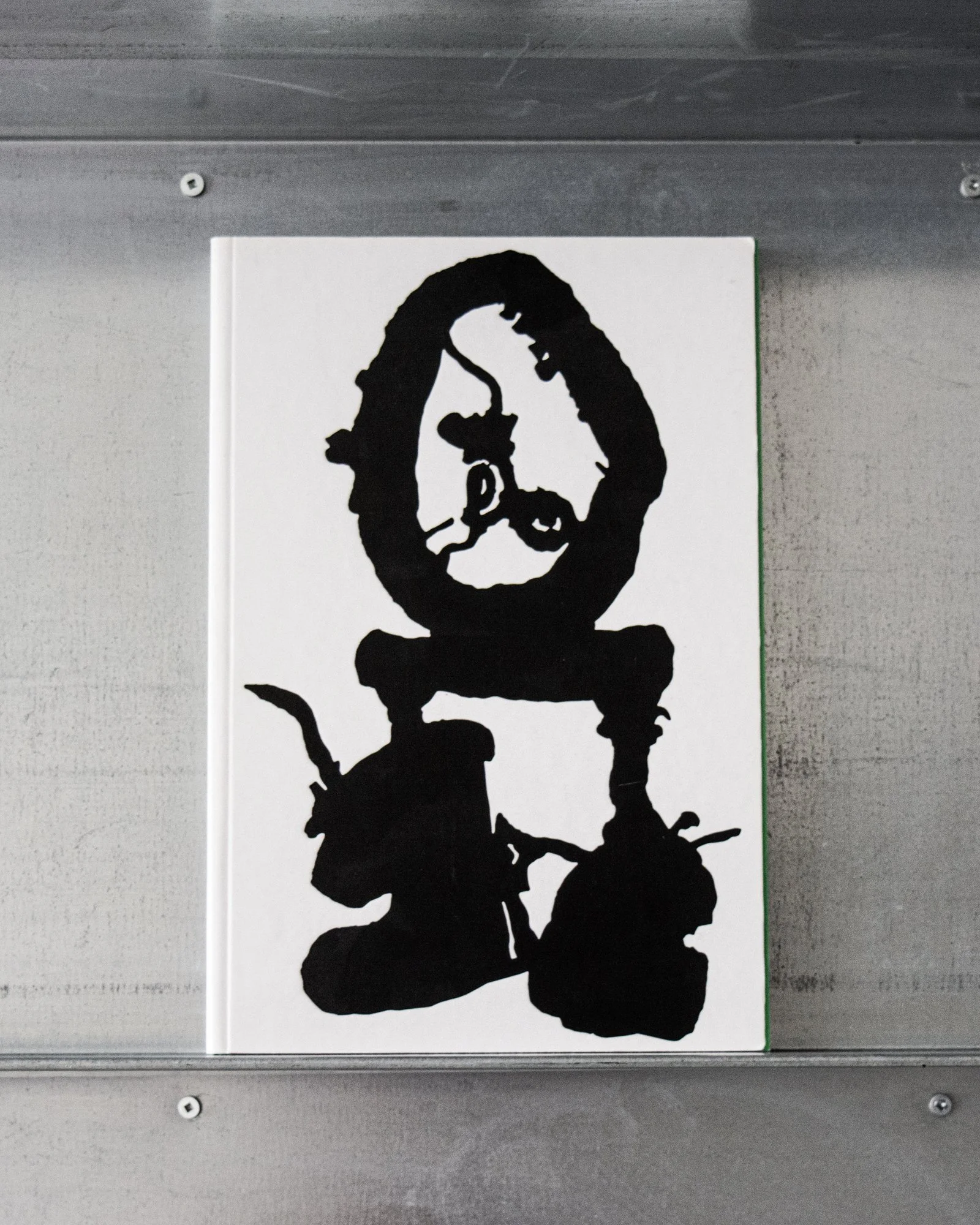
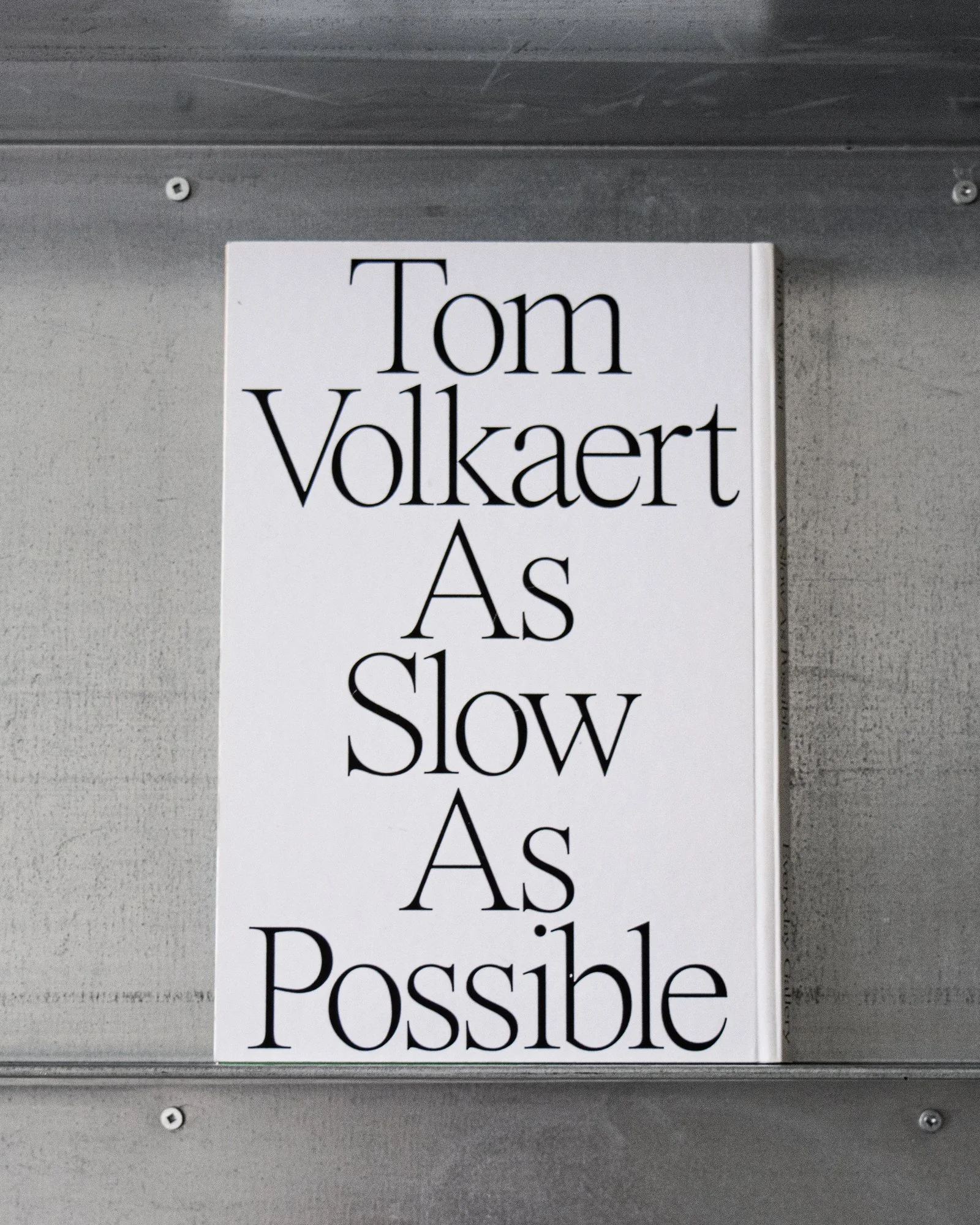
Maude : One of my favorites (because choosing just one is an impossible task)...Tom Volkaert As Slow As Possible by Everyday Gallery, designed by Vrints Kolsteren
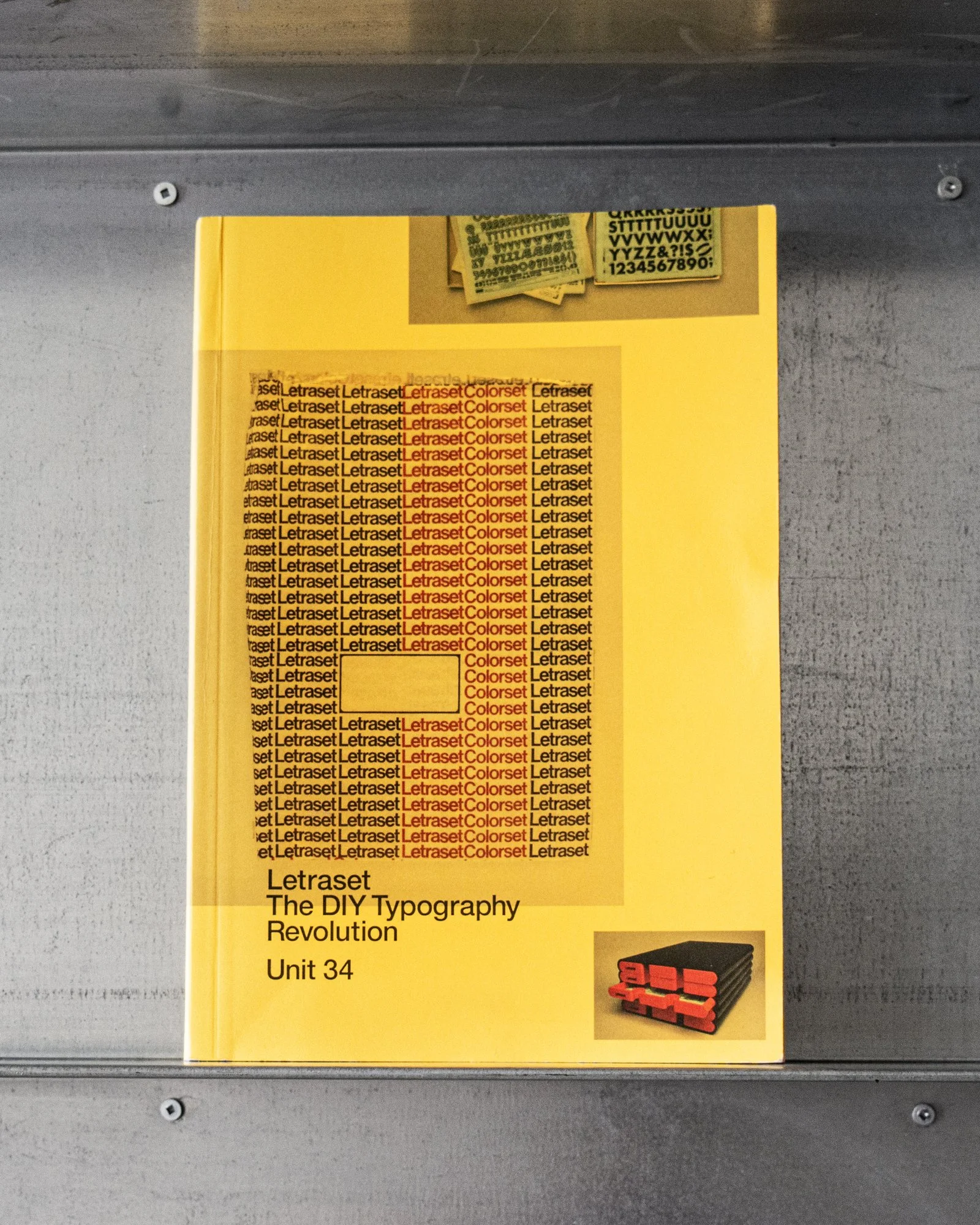
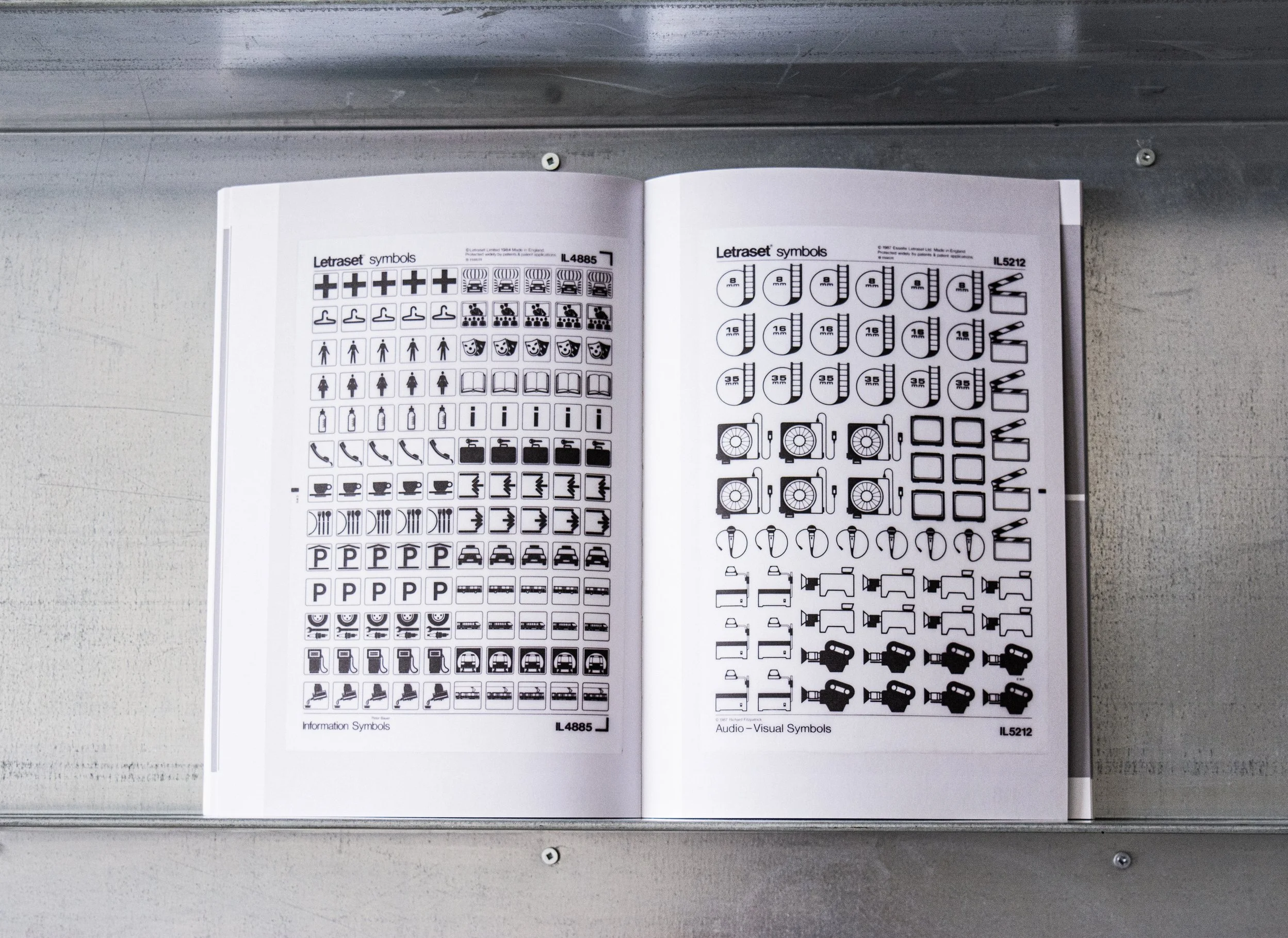
LP : "Letraset: The DIY Typographic Revolution". It' a beautiful archive documenting this lost design technique and how it democratized typography, making it accessible and easy to use. Many interviews, catalogues and pictures that I couldn't find online, and an overall great documentation around the brand.
Émile : I feel like it always changes, the last book I really liked was Là ou je me terre - Caroline Dawson
7. Your favorite book.
8. Enough with the books, what's your favorite magazine?
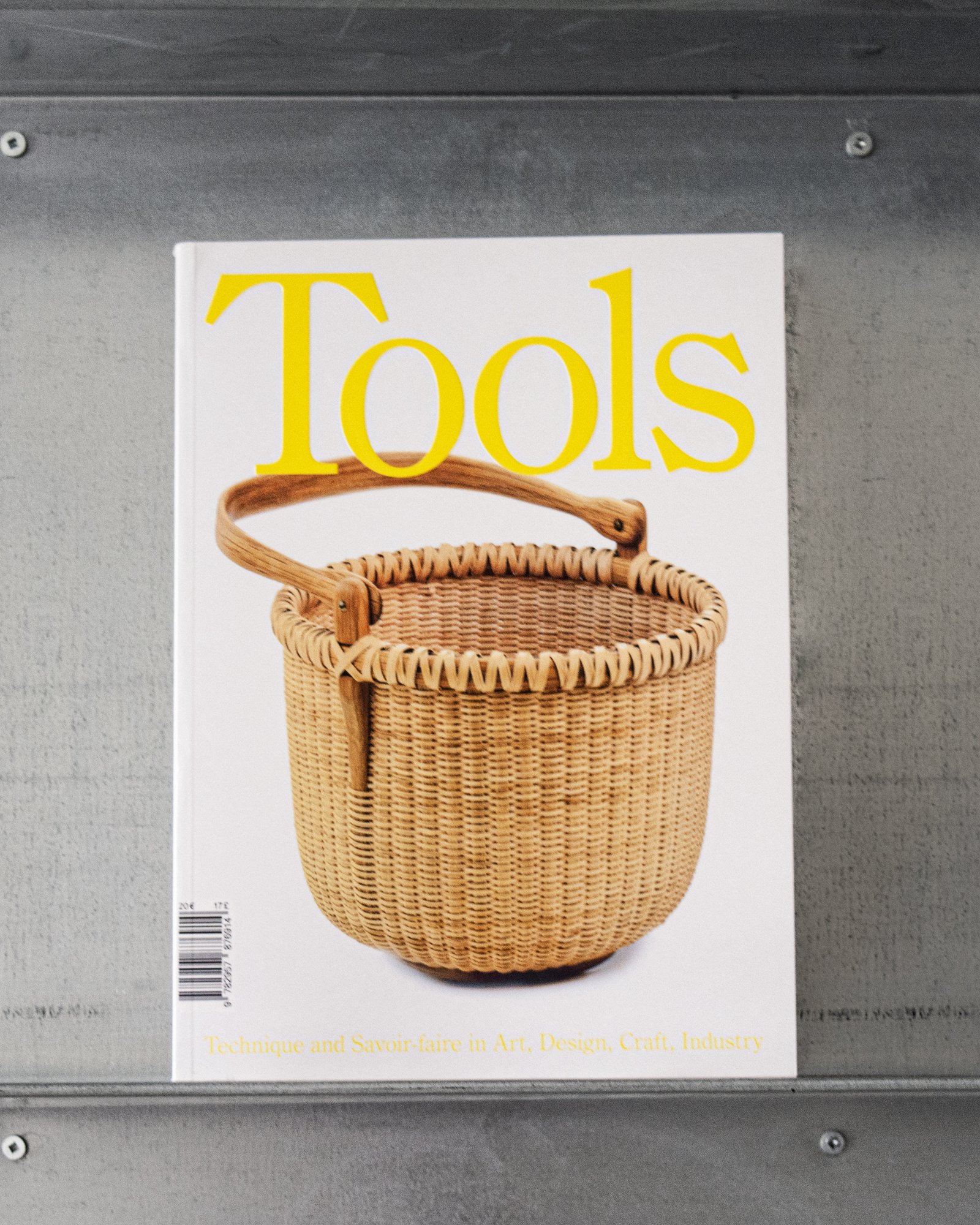
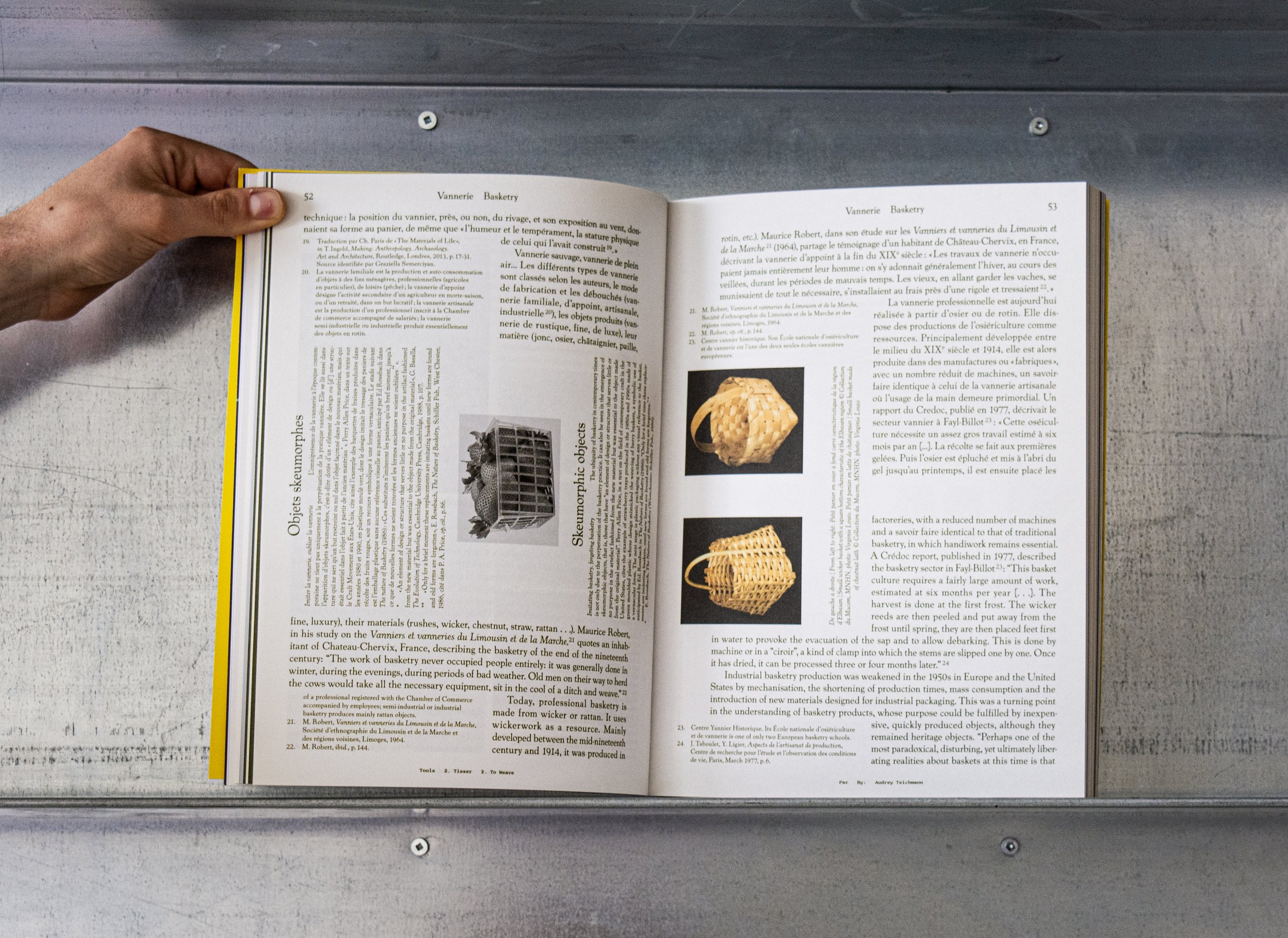
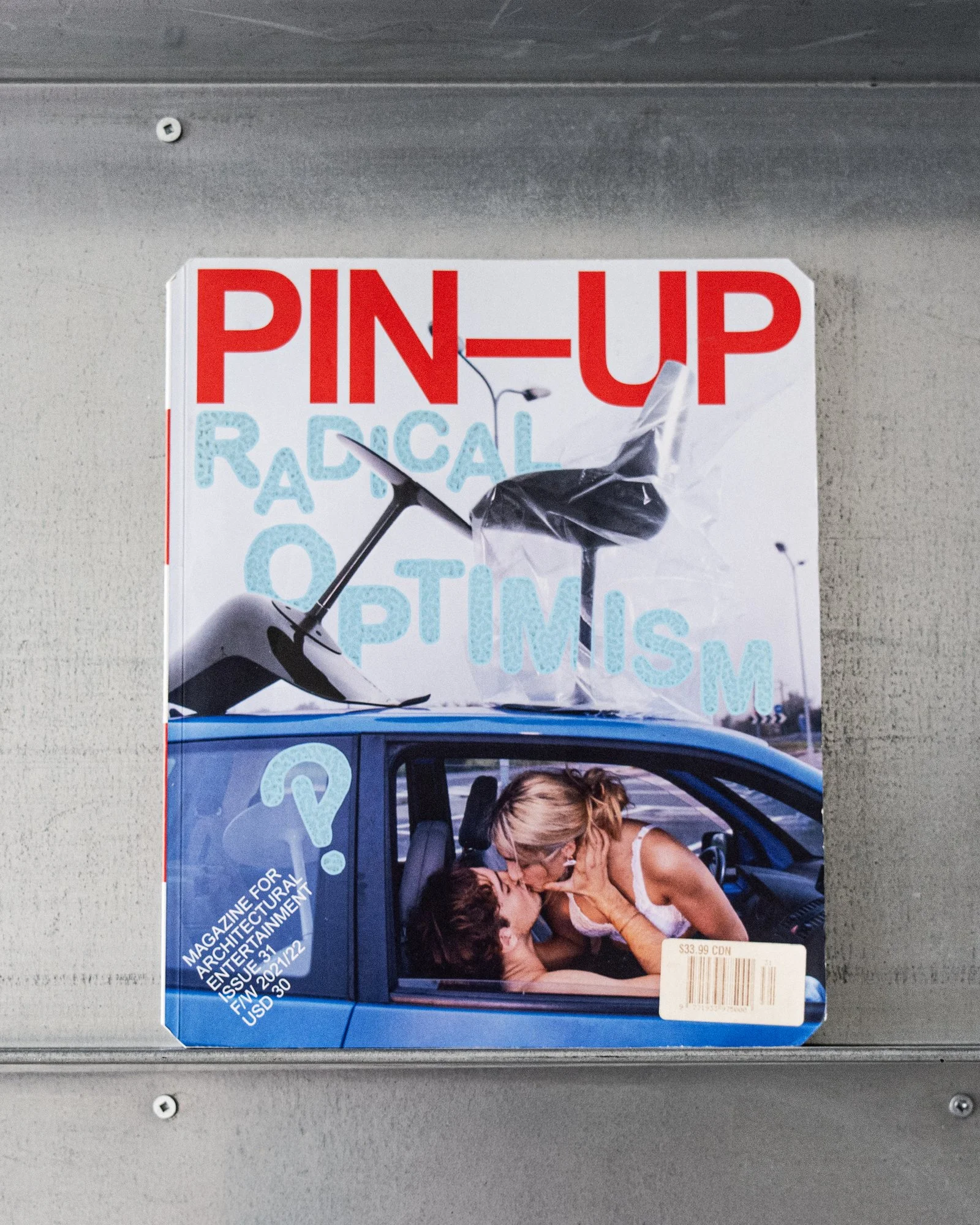
Maude : TOOLS. I love TOOLS. I love how light it is for its thickness, it adds playfulness to the object for me (the object experience is always really important to me). But I also love how they play with layouts and orientation, the materiality of the magazine itself. I also love PIN-UP, and similarly it's for the materiality, the layouts, the way they play with typefaces and composition.
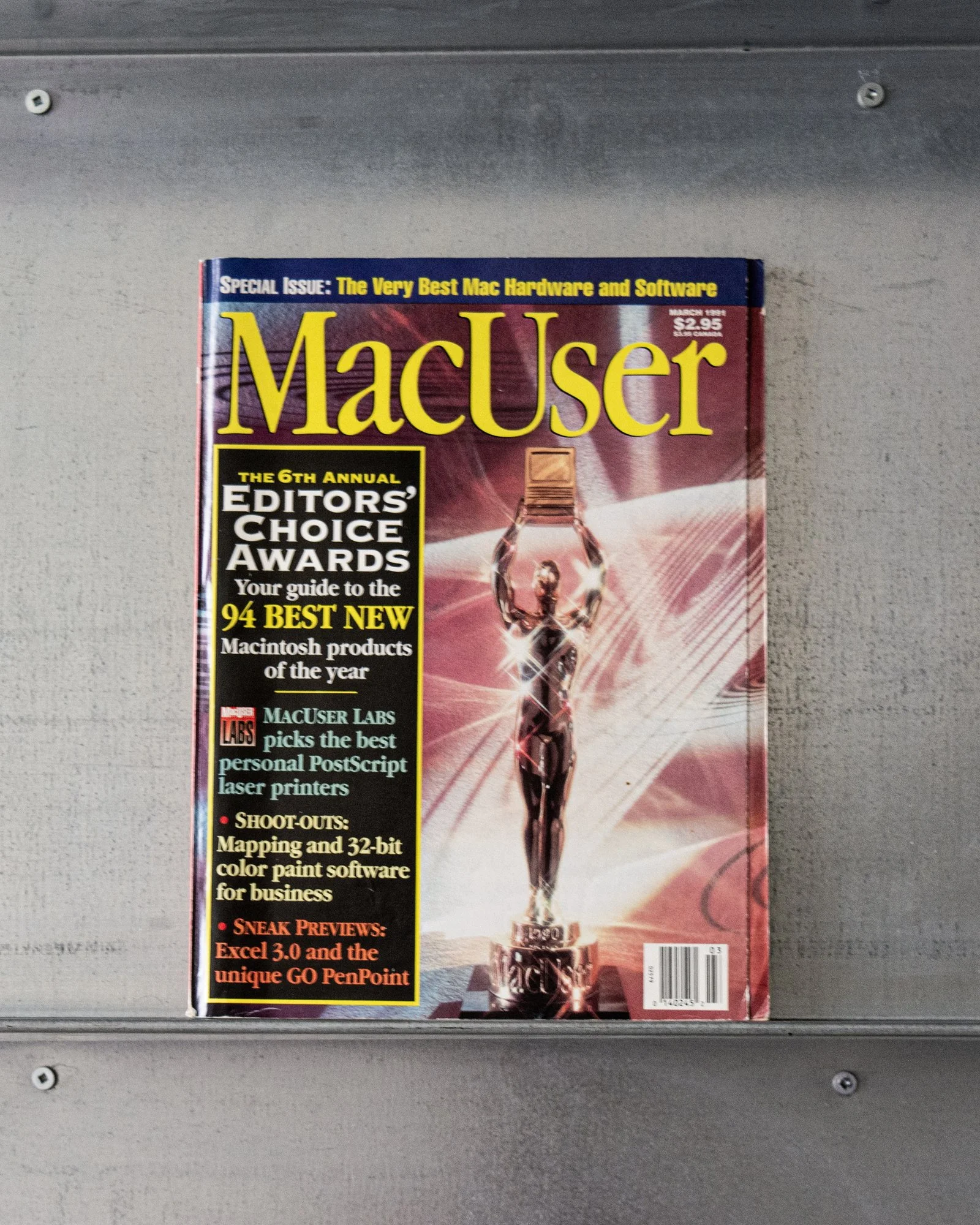
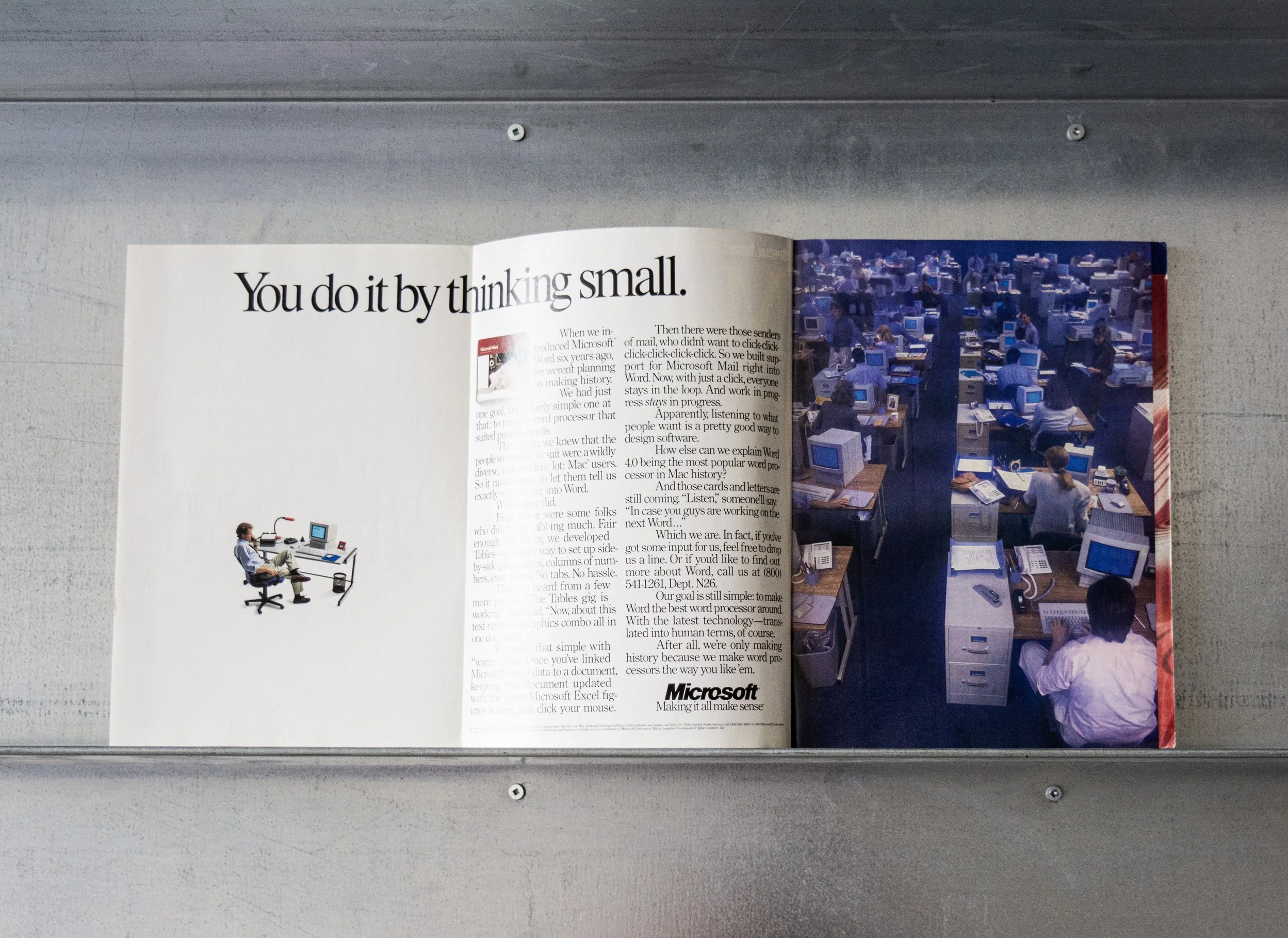
LP : I love early 1990s tech magazines. They're time capsules now that technology has moved far beyond them. I like their kitsch advertisment and their uses of typography.
Émile : Maybe Type one, like the second issue, I like how they play with the covers
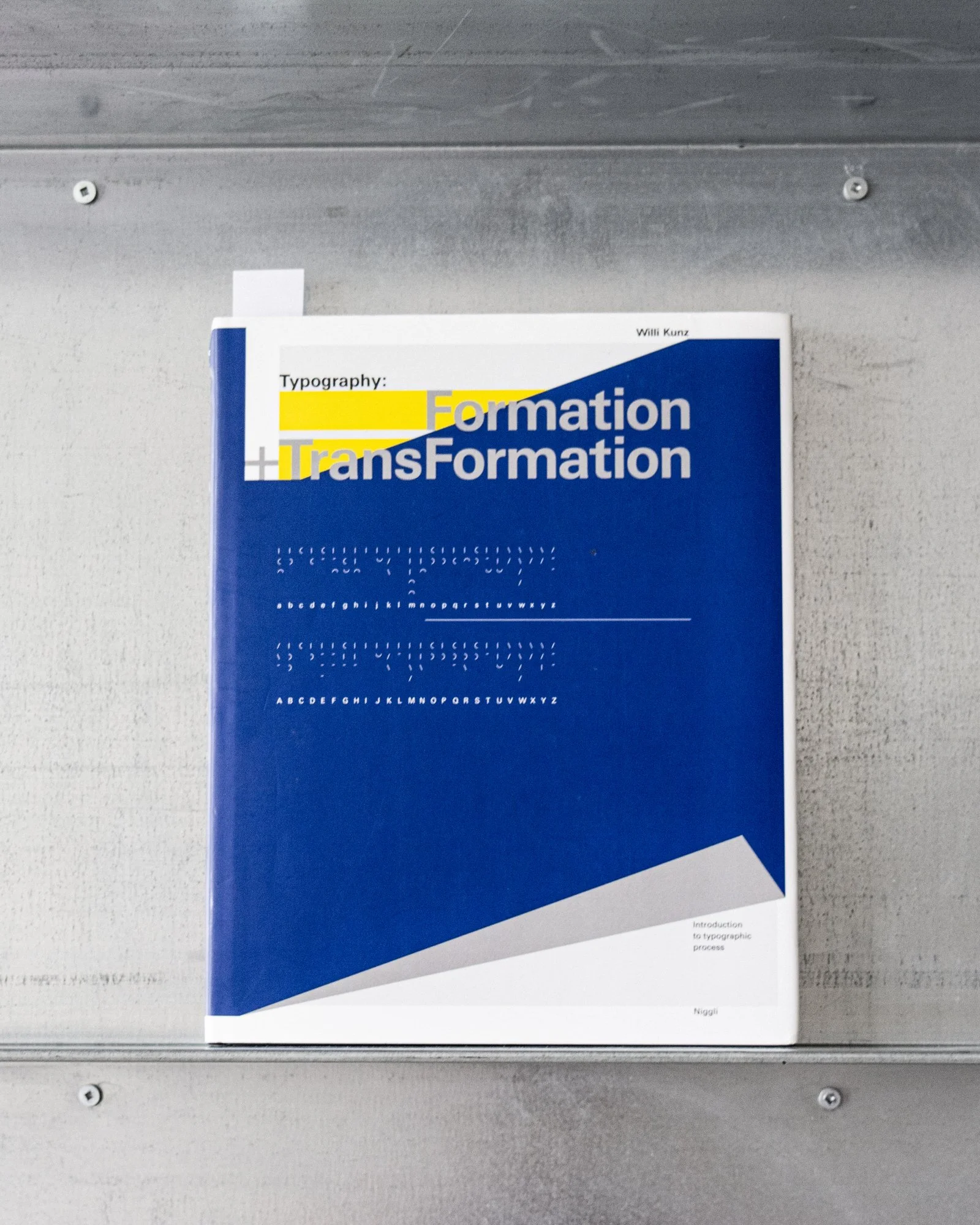
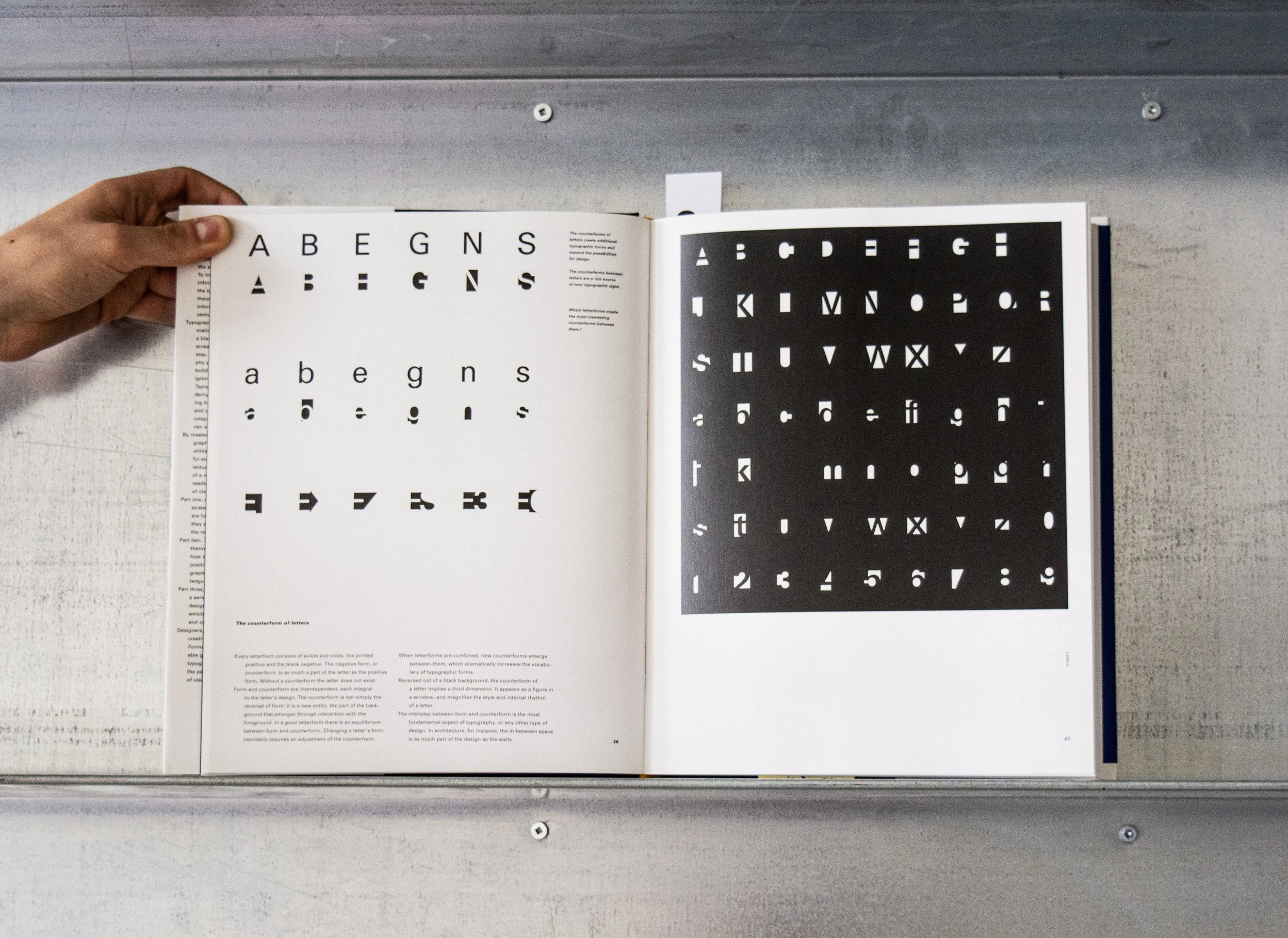
LP : "Typography Formation + Transformation" by Willi Kunz. An interesting research on typography and the shape of letters, sentences and paragraphs. It treats text like images.
Émile : Love Bodhisattva 風流佛,Kōda Rohan 幸田露伴
9. The book with the most beautiful typography.
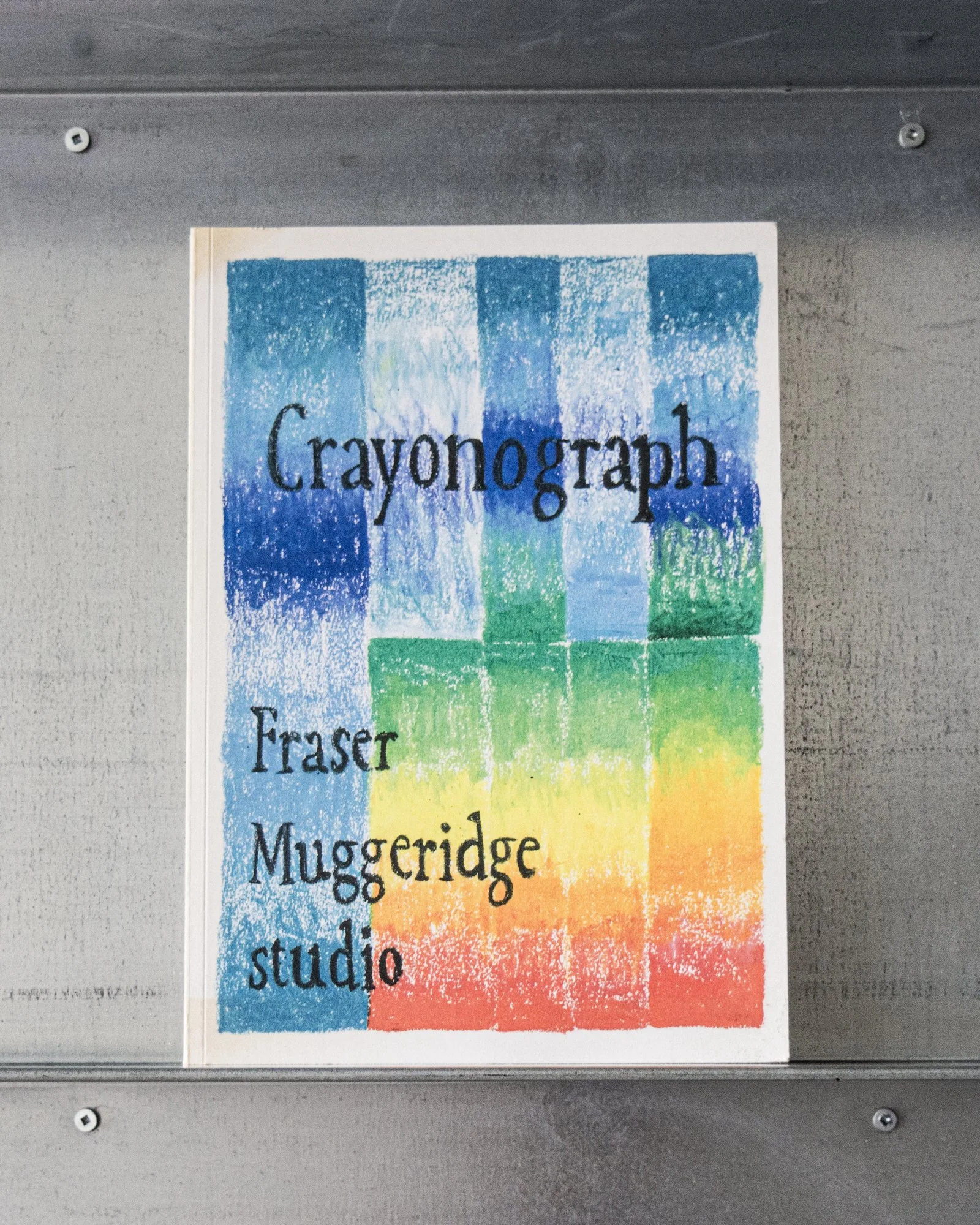
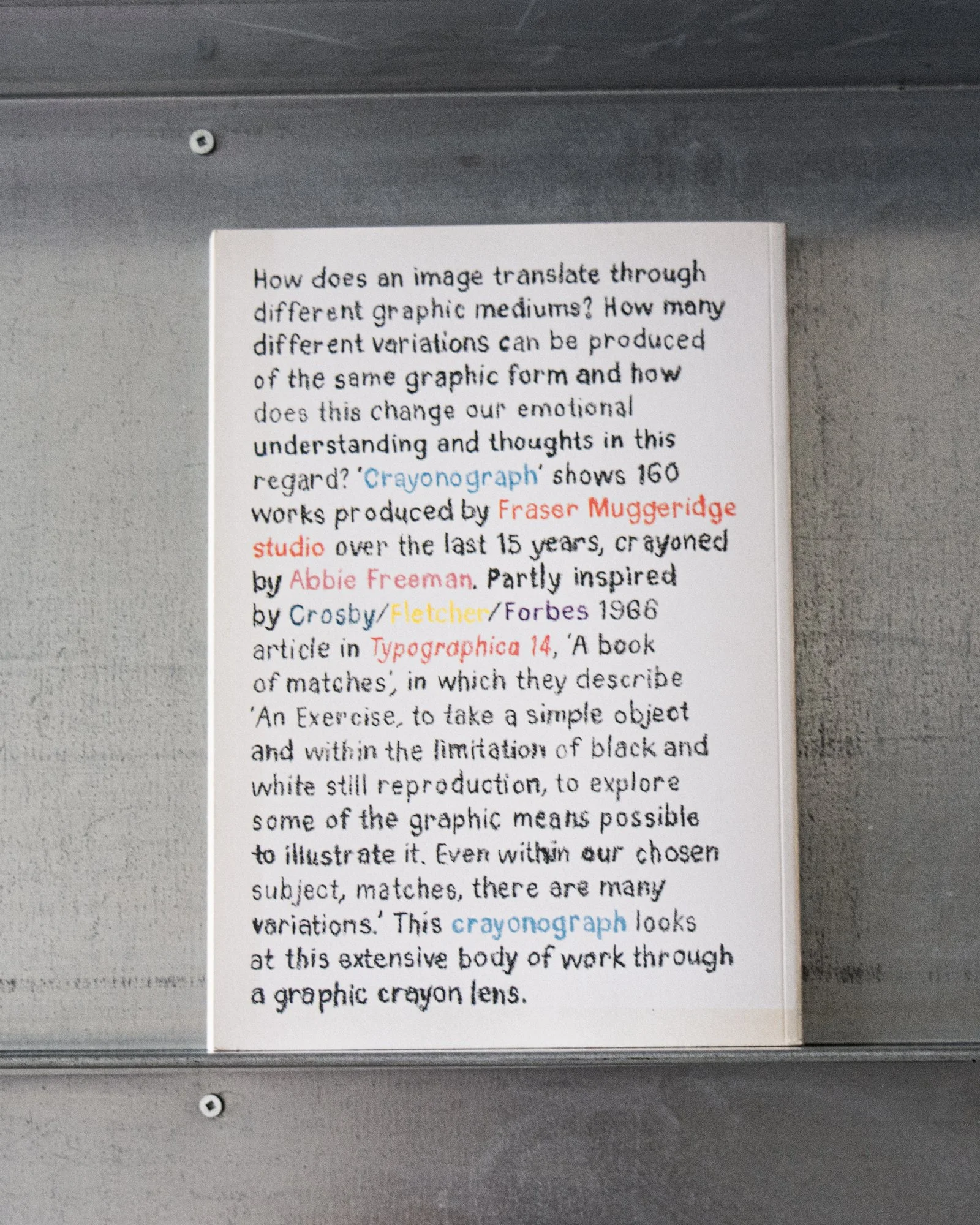
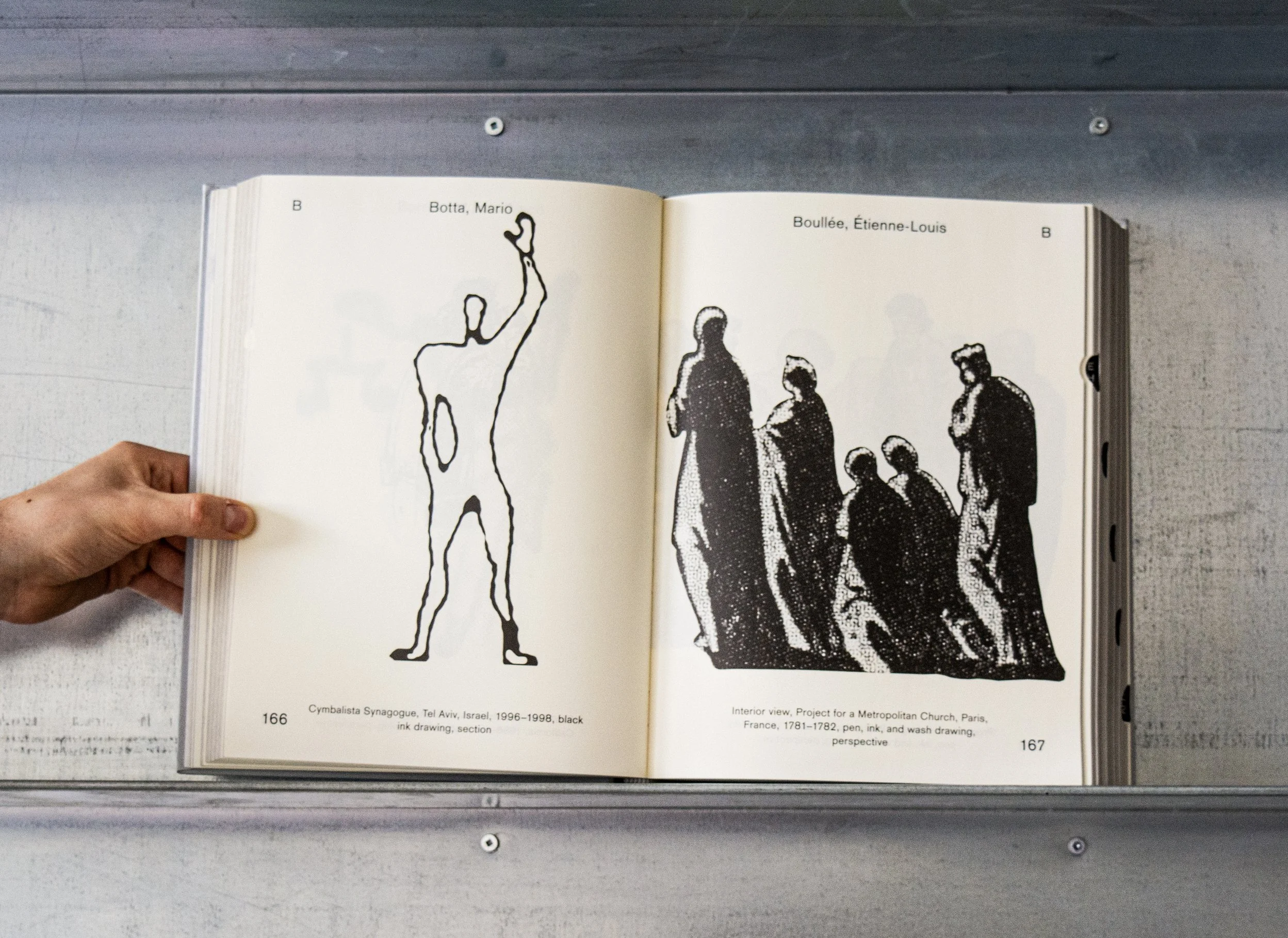
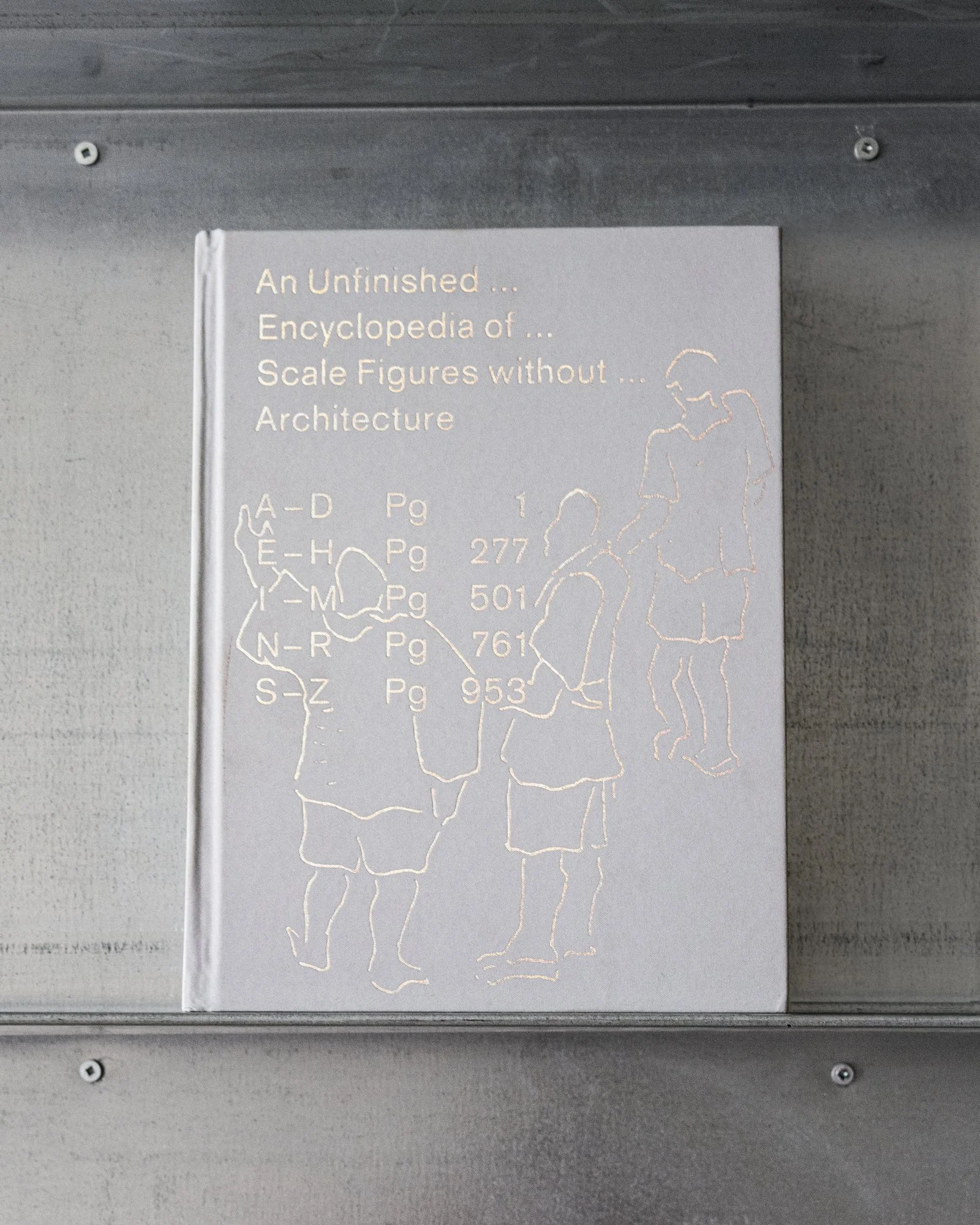
Maude : One I like a lot is Crayonograph by Fraser Muggeridge Studio published by Actual source. But I also really love the same as LP, it's an encyclopedia of figures they use in architecture and I find the fact of seeing them documented outside of their context really fun.
LP : An Unfinished Encyclopedia of Scale Figures Without Architecture
Émile : Tales from the loop - Simon Stalenhag
10. The book with the most beautiful illustration.
Demande Speciale’s Curation
Maude : Always special projects here! We just finished an identity for a new small coffee/wine bar that was super fun to work on. We're also working on refreshing one of our clients' identities, Théâtre Denise-Pelletier, for whom we've done campaigns for the past 5 to 6 years. We're now working on the institution's identity, which is fun, finally getting to work on something that will last longer than a season for them.
LP : Digitizing an obscure experimental typeface originally designed by Letraset, for which I can only find one image of the complete character set!
Émile : I'm working on my own fantasy inspired brand of merch.
Special project at the moment?
What a book good?
Maude : A book that makes me wanna touch it.
LP : When the container is as good as the content. I do judge a book by it's cover...
Émile : I think that I prefer books that makes you think, a book where you need to stop reading to understand what you just witnessed. I also really like the materiality of it, when it becomes an object of art, just a look at it makes you feel something.
What special details do you always look for in books?
Maude : Composition and materiality. I look at a book as a whole as well as for specific details for inspiration. I love how a book feels, how it can be consulted or handled, the different papers and thicknesses. When they play with emboss, foil, or shape. The way the content lives, the contrast or consistency between layouts.
LP : The year it’s been made, and the quantity of images vs text.
Émile : I mostly look at the cover, because most of my books will finish on a shelve, I want to still be able to enjoy the book even when I'm not reading it.
What is your favorite format?
Maude : Around 8 by 10 inches, I'd say. And with some thickness too, I like when it's a BOOK. I'm down with bigger or smaller too, not really here to shame books...
LP : Too bulky to move around. Dictionary-sized. The kind of book that deserves its own reading moment.
Émile : I like books that are very small, that you can fit in a pocket. That way you can check them whenever you want.
What is your favorite bookstore?
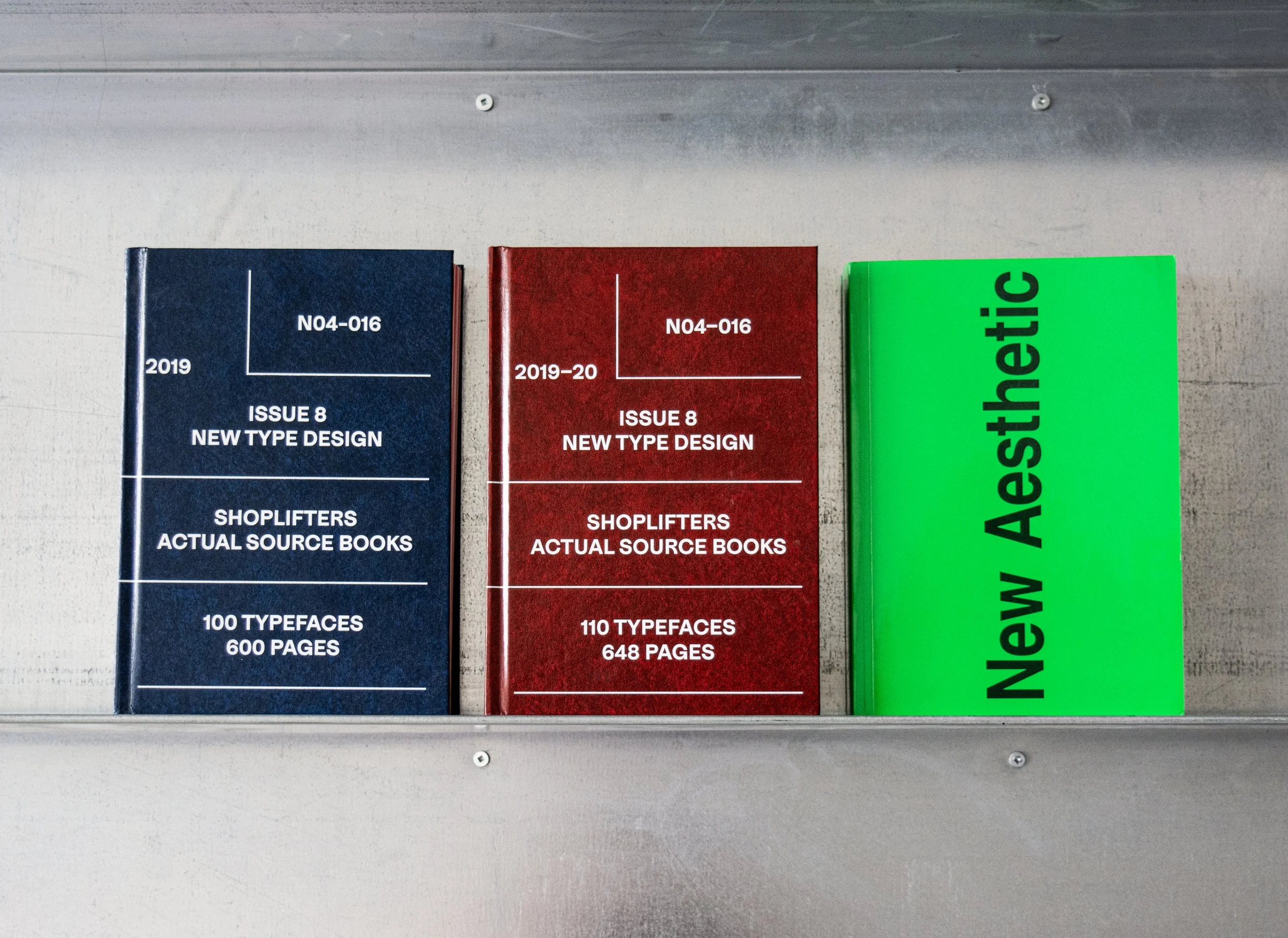
Maude : I love Actual Source books, great curation. Antenne books too.
LP : In Lisbon, Ler Devagar bookstore.
Émile : Materia Prima in Porto, went there once, but which we had something like that in Montreal !
Maude : Sometimes online, but recently I went to "festival de la BD" and found great riso printed books from Fidèle éditions. Also sometimes thrift store.
LP : Most of the time by accident.
Émile : If we're talking about a physical place, I would say La librairie du Square when I read poems and CCA for design books.